


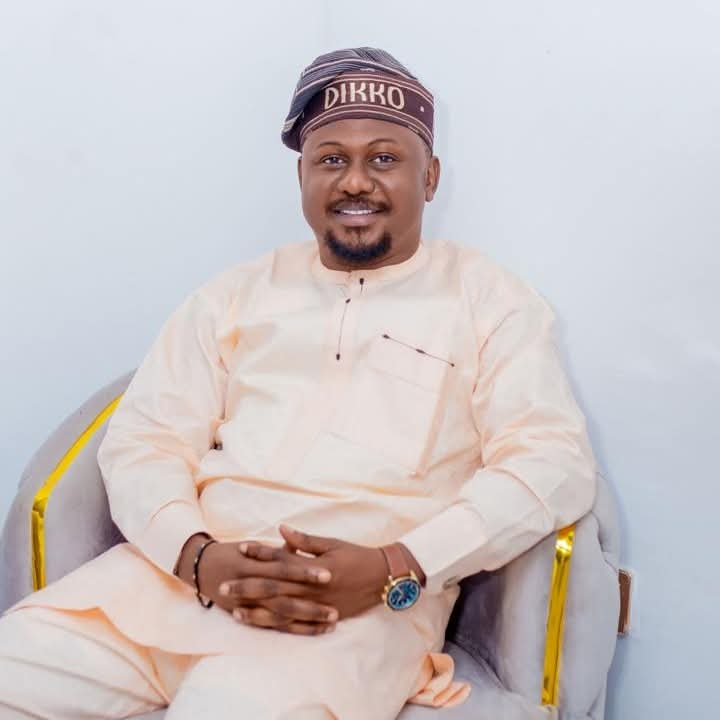
“Real progress happens when we dare to imagine a better way of doing ordinary things.”


Change, as history often shows, is rarely announced with fanfare. It begins quietly, almost unnoticeably, in something as simple as a bus moving smoothly down a city road, its hum softer, its fumes cleaner, its purpose clearer. In that ordinary motion lies the extraordinary story of transformation unfolding across Oyo State.

For years, transport in the state was a metaphor for frustration, stalled journeys, broken schedules, and the erosion of public trust. Buses arrived when they pleased, if they arrived at all, and the system seemed too rusted to move forward. But progress often begins where patience runs out.




What has emerged in Oyo today is not merely a fleet of new buses, but a reimagining of how governance touches everyday lives. The journey began with a question of possibility: could transport become not just efficient, but ethical, sustainable, and humane?
That question found an answer when Dr. Ibraheem Salami Dikko took over the leadership of the Pacesetter Transport Service (PTS). To him, PTS was not just a struggling agency, it was an unfinished story. One that could still be rewritten, not by grand declarations, but by quiet revolutions of discipline, vision, and empathy.
Under his watch, the repairs were not only mechanical. He rebuilt the trust that fuels public systems, staff were retrained, debts settled, and operations modernised.
A culture of accountability began to replace apathy. Pay came as promised, merit began to matter again, and the once dispirited workforce started to move in unison with purpose.
Then came the pivot that turned progress into permanence: the embrace of clean energy. With the establishment of Oyo’s first Compressed Natural Gas (CNG) refuelling station in Ibadan, the state placed its bet on a greener, more cost-effective future.
The buses now glide through the streets not only with cleaner emissions but with a quiet pride, a signal that public service can be modern, efficient, and kind to the planet.
Yet, the most profound impact has not been the technology, but its touch on people’s lives. Through the Sustainable Action for Economic Recovery (SAfER) initiative, the government introduced fare subsidies that have made a daily difference, easing the load for students, pensioners, and people living with disabilities. For many, what used to be a daily struggle to get from one point to another has become an accessible, reliable routine.
Inside these buses, the journey itself tells a story of reform. GPS tracking, CCTV cameras, and cashless payments have created a system where every mile is measured, every transaction accounted for. Transparency now rides alongside passengers, proving that good governance is not about control but clarity.
Financial discipline has followed suit. Leakages have been sealed, debts cleared, and fiscal stability restored. The agency now balances social responsibility with economic wisdom, keeping fares affordable while maintaining quality.
But beyond the numbers and machines lies the heart of the matter, faith. The new PTS does more than move people; it moves confidence. Each bus that departs a station, each passenger who arrives on time, each driver who serves with pride, they all contribute to a renewed belief that government can indeed deliver.
The CNG station in Ibadan stands today not merely as an infrastructural achievement, but as a monument to foresight. It represents the steady rhythm of progress, clean, deliberate, and deeply human.
