


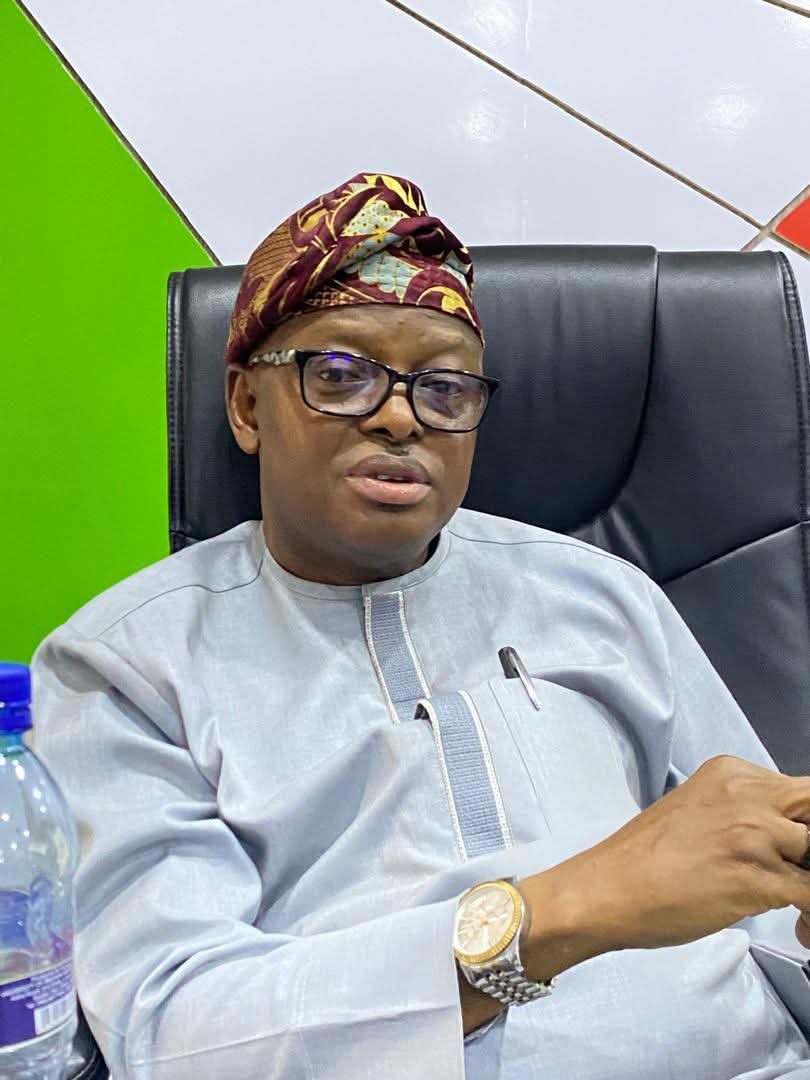
As Oyo State quietly begins to orient itself toward the 2027 governorship, the question on many lips is no longer just who will succeed Governor Seyi Makinde, but who can carry forward the administrative philosophy, political acumen, and visionary leadership that have defined his tenure.
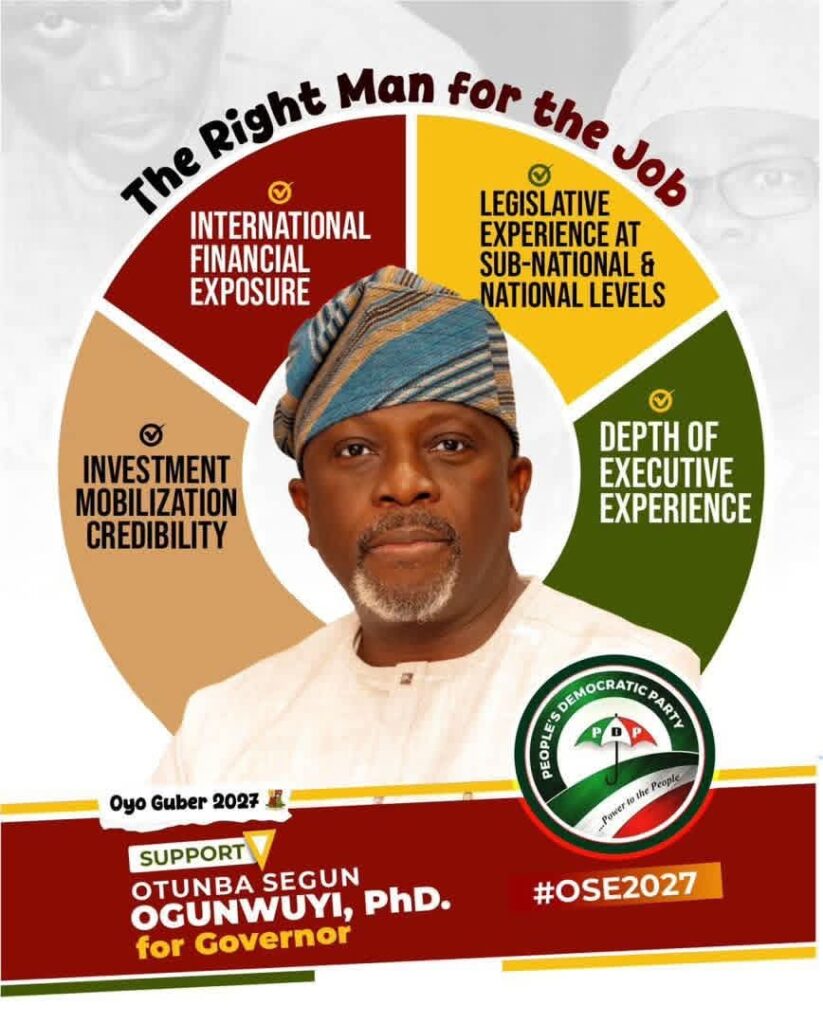
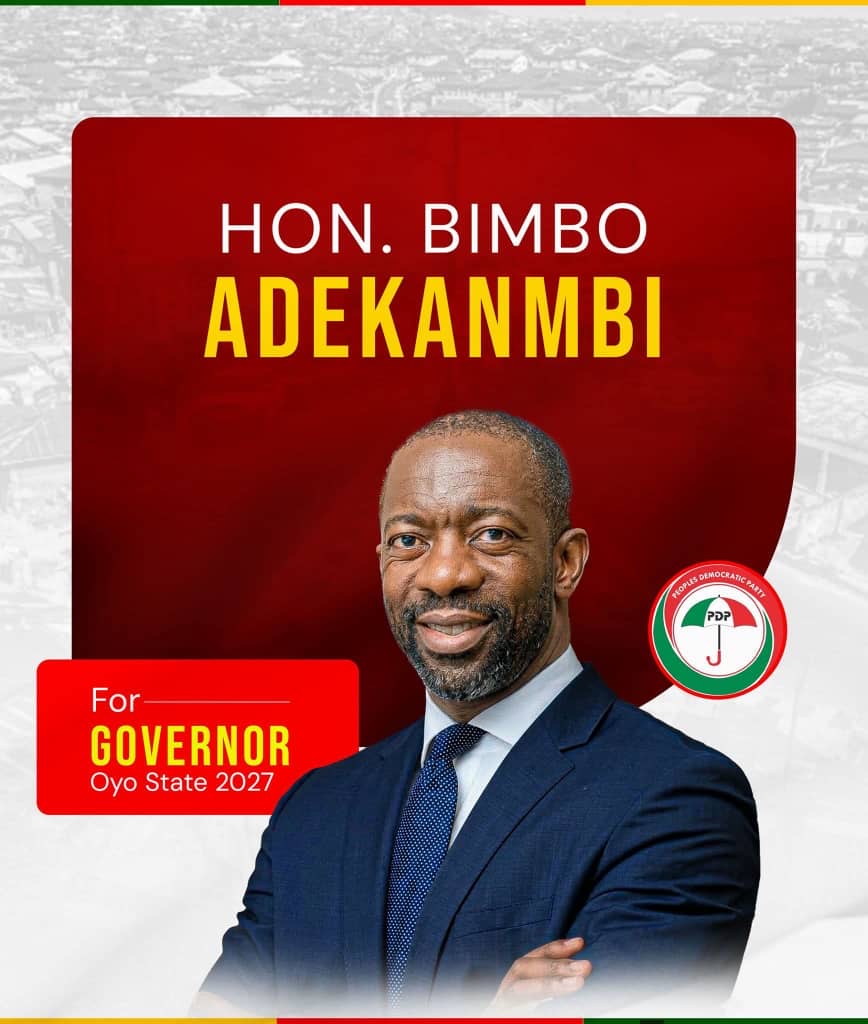
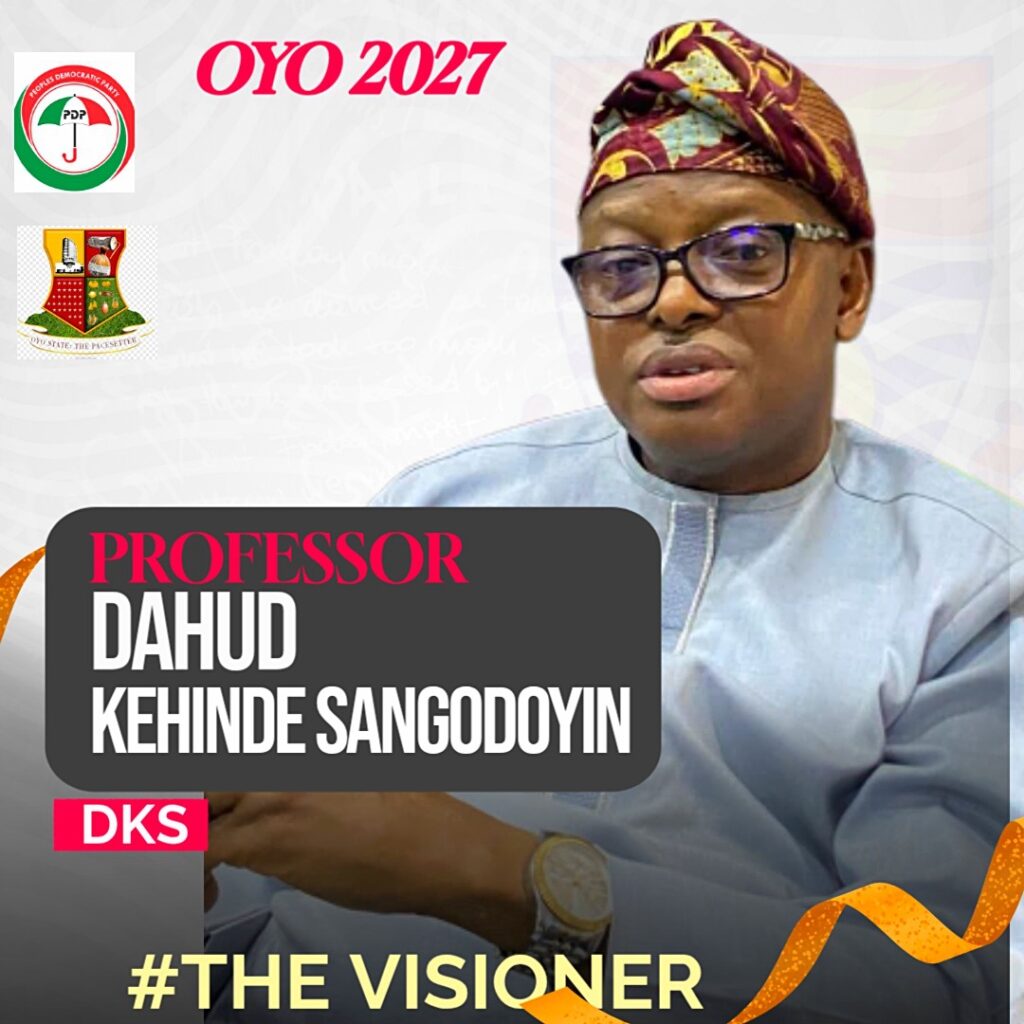
In this context, Daud Shangodoyin emerges not merely as a candidate, but as a figure whose professional and political trajectory suggests a seamless continuity of Makinde’s principles.
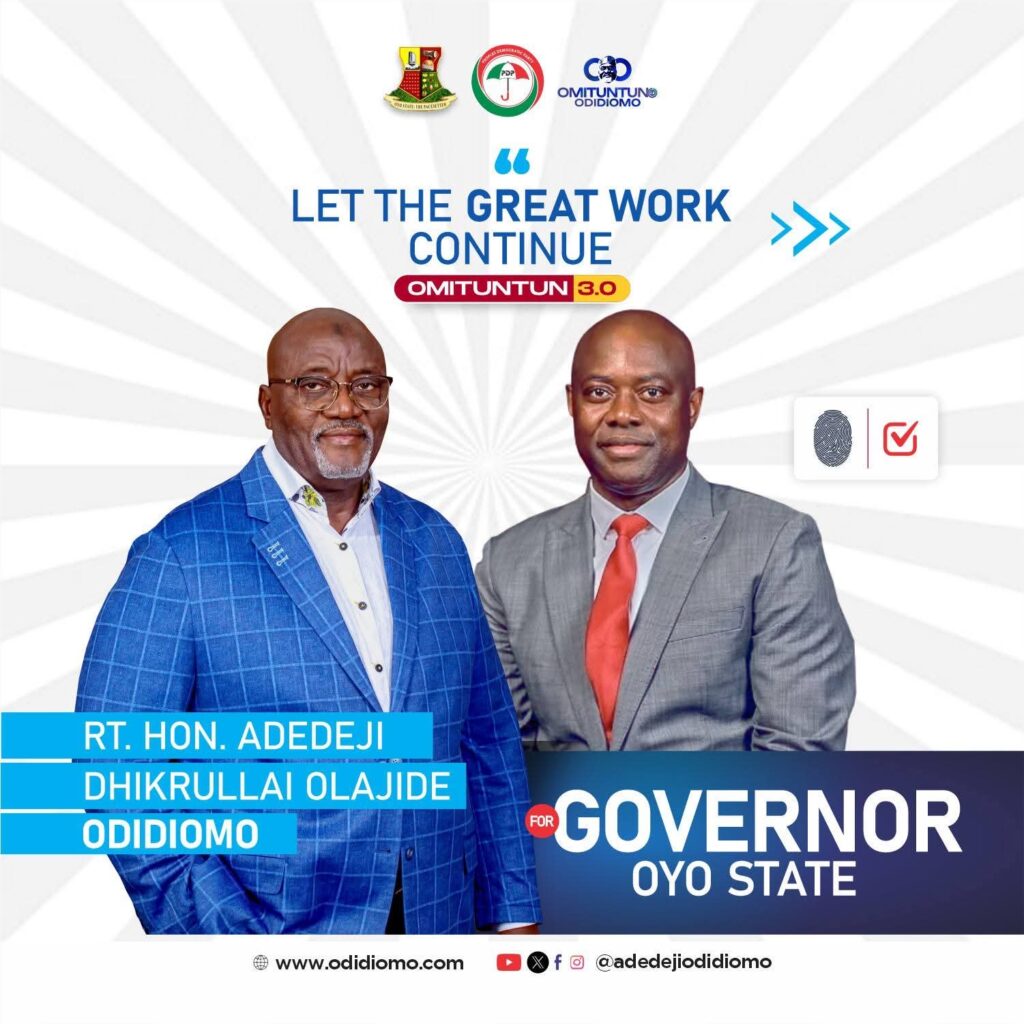
A critical analysis of both men reveals striking parallels in approach, temperament, and strategic outlook, qualities essential for sustaining governance in a state as politically dynamic as Oyo.
Makinde’s tenure has been defined by pragmatism, inclusivity, and results-oriented leadership.
He is celebrated for his ability to marry progressive ideas with practical implementation, to balance grassroots engagement with executive efficiency, and to navigate the often turbulent waters of party politics without compromising on reformist ideals.
Shangodoyin mirrors many of these traits. His decades of administrative experience, spanning the Ministries of Education, Public Works, Transport, and Energy, showcase a consistent capacity for policy execution and infrastructure development.
Like Makinde, he is not content with ceremonial oversight; he engages deeply with the mechanics of governance, ensuring that vision translates into measurable outcomes.
His record demonstrates an understanding of the delicate interplay between strategic planning and operational deliveryz a hallmark of Makinde’s leadership style.
Politically, Shangodoyin has proven his mettle as a strategist capable of reading complex political terrains. His role in initiatives such as the “Omituntun in Diaspora” campaign exemplifies the kind of foresight, coalition-building, and tactical intelligence that have been central to Makinde’s electoral successes.
Both men understand that political longevity in Oyo requires a combination of grassroots mobilisation, party cohesion, and the careful management of regional sensibilities, qualities that Shangodoyin has consistently exhibited.
Equally significant is the alignment of character and values. Makinde’s leadership is marked by integrity, inclusivity, and a progressive outlook that transcends narrow partisanship. Shangodoyin shares these qualities.
His devout faith is balanced by a liberal approach to policy, reflecting the same pragmatism that has allowed Makinde to pursue bold reforms while maintaining broad-based support.
This combination of principle and flexibility is critical in Oyo’s pluralistic society, where leadership must resonate across diverse ethnic, religious, and socio-economic constituencies.
Where the comparison becomes most telling is in their approach to vision and governance. Makinde has consistently prioritised infrastructure, education, and institutional reforms, always with an eye on long-term impact rather than short-term acclaim.
Shangodoyin has demonstrated a similar orientation: whether modernising public institutions, implementing reforms in the energy and transport sectors, or enhancing education systems, his initiatives reflect strategic foresight and a commitment to sustainable development.
In both men, the capacity to anticipate challenges and act decisively sets them apart in a political system often dominated by reactive governance.
In short, a close examination suggests that Shangodoyin possesses the qualities necessary not only to maintain Makinde’s legacy but to expand upon it.
He combines administrative competence with political intelligence, visionary thinking with practical execution, and personal integrity with strategic pragmatism.
A state where leadership is measured as much by the ability to inspire confidence and manage complexity as by electoral popularity, these traits position him as a natural custodian of Makinde’s vision.
As Oyo State approaches a new political chapter, the conversation is no longer simply about succession; it is about continuity, capability, and the preservation of a governance model that has delivered results while inspiring trust.
On all these counts, Daud Shangodoyin’s profile suggests that he is uniquely equipped to carry the mantle, a leader in the mould of Makinde, ready to translate experience and strategy into the next era of progress for Oyo State.
