


By Oyo Amebo
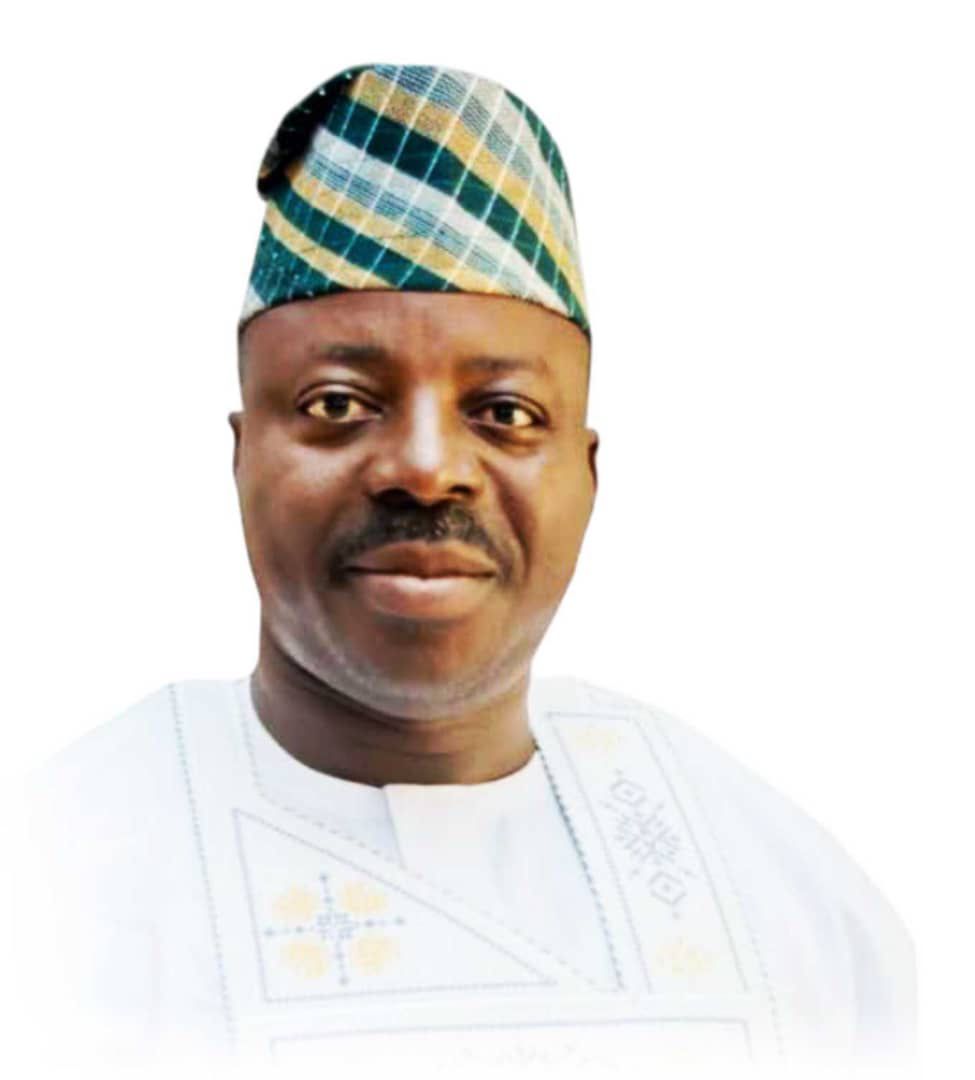
Akinyele Local Government is experiencing measurable progress under the leadership of Hon. Akinwole Akinleye.


Governance has shifted from promises to action, with projects that directly improve daily life, safer streets, reliable water supply, functional schools, and accessible healthcare, demonstrating a commitment to results that residents can see and feel.


From the outset, Akinleye recognised that meaningful development begins with safety and stability. The reconstruction of the Moniya Area Command Headquarters of the Nigeria Police Force was more than a facelift; it was a statement of intent.

Public security, long taken for granted, is now proactive, visible, and reliable, providing the foundation upon which education, commerce, and daily life can flourish.


Yet it is not just security that defines his tenure. Akinleye has consistently placed human dignity at the centre of governance.


Motorised boreholes at the Rehabilitation Centre for the Physically Challenged in Isabiyi and at Akuro Community in Olorisaoko have reshaped everyday experiences.

Clean water, once a struggle, is now accessible, easing burdens on the most vulnerable and restoring confidence in a government that listens as much as it delivers.
Education and healthcare have been treated with the same deliberate attention. Classrooms have been revitalised, teaching resources improved, and students provided with environments that inspire learning rather than merely shelter it.
Clinics across the local government have shifted from patchwork provision to dependable service, ensuring families can trust that care will be available when it is needed most.
Economic growth, too, has been woven into this vision of holistic progress. The Circular Road, the Ilutuntun Business District, and the planned Dry Port are more than infrastructure, they are pathways to opportunity.
By linking development to everyday livelihoods, Akinleye ensures that progress benefits the many, not just the few, converting potential into prosperity that is inclusive and sustainable.
What makes Akinleye’s approach distinct is the philosophy of shared responsibility. Projects are not imposed from above; they are developed with the guidance, participation, and oversight of local communities.
Residents contribute, monitor, and maintain interventions, turning development into a collective achievement and accountability into a lived reality.
His model of governance has drawn recognition beyond Akinyele, with commendations from Governor Seyi Makinde and other state stakeholders, signalling that local action can complement state priorities while remaining grounded in citizen needs.
Leadership is no longer abstract, it is lived, daily, by those who see their needs reflected in policy and their voices shaping outcomes.
Hon. Akinwole Akinleye demonstrates that progress is not measured by grand announcements, but by the quiet, persistent work that changes lives.
For Akinyele, governance has become a tangible force, proving that true leadership is measured not in promises, but in people whose lives have been made better, safer, and fuller by deliberate, sustained action.
