



As the countdown to party primaries gathers momentum, Goalpoachernews editorial team examines the political atmosphere in Oyo State which is thick with anticipation. Yet what stands out most is not noise, but contrast.
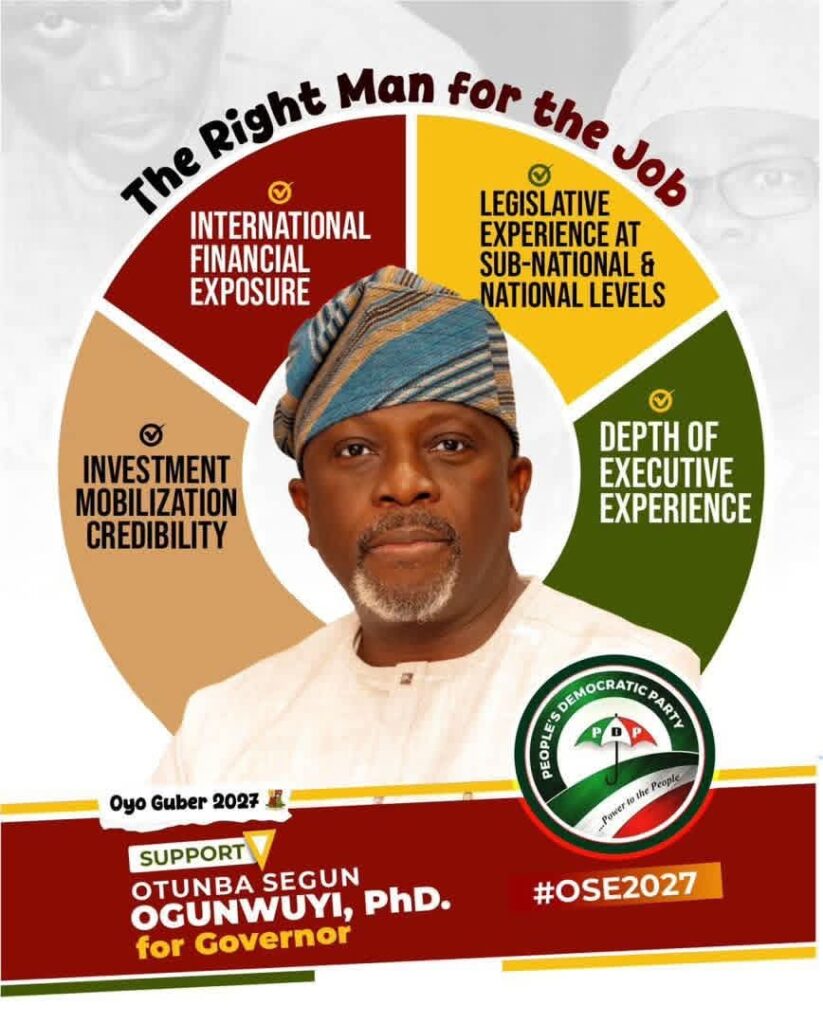
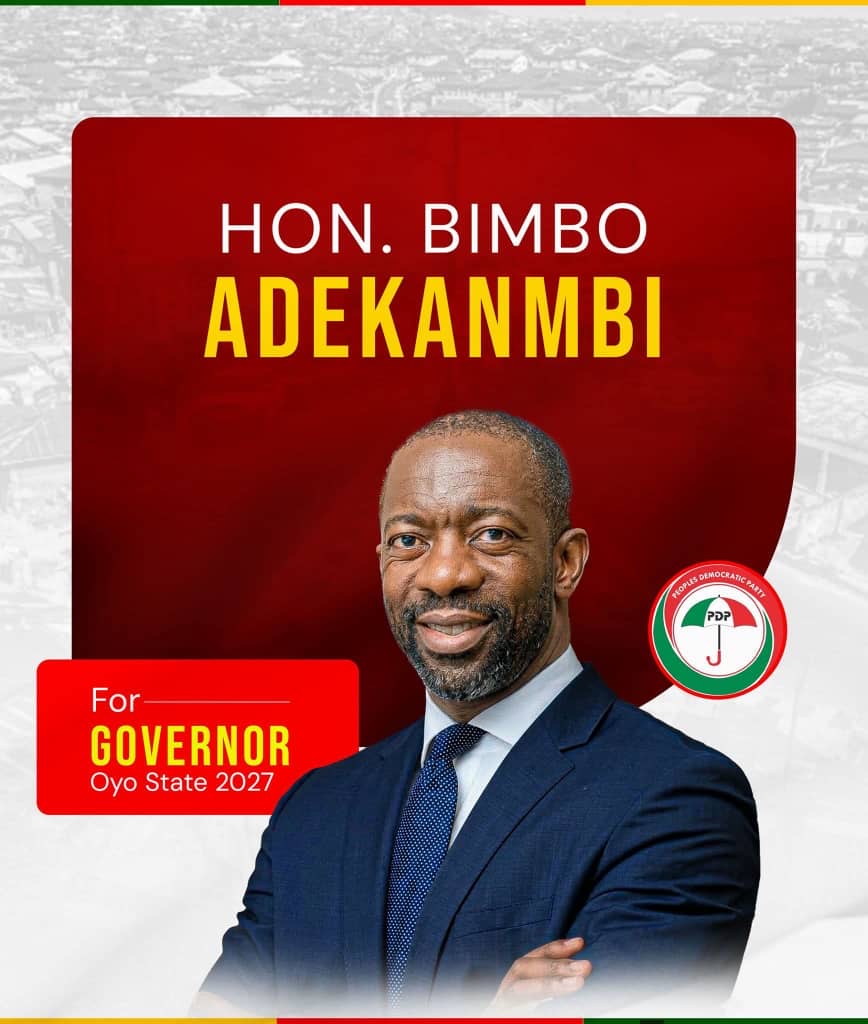
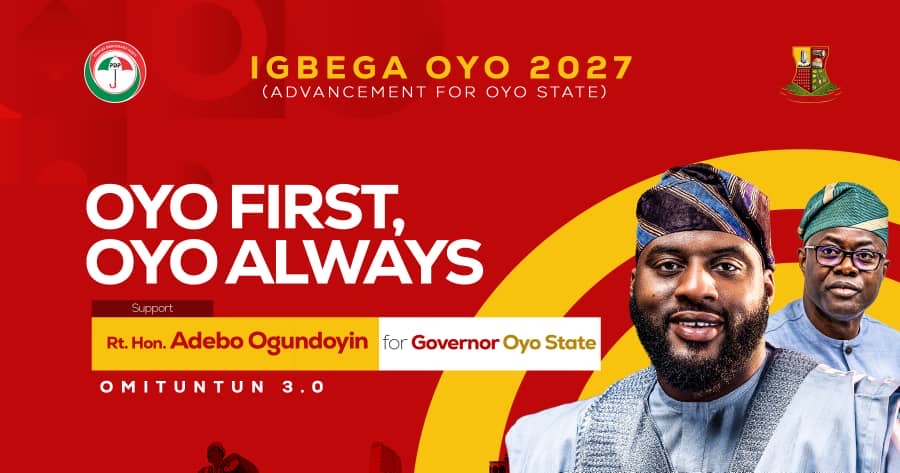
On one side, the All Progressives Congress (APC) hums with visible ambition, consultations and strategic alignments. On the other, the Peoples Democratic Party (PDP) remains unusually restrained, its leading figures cautious, watchful and by all indications, awaiting a signal from Governor Seyi Makinde.
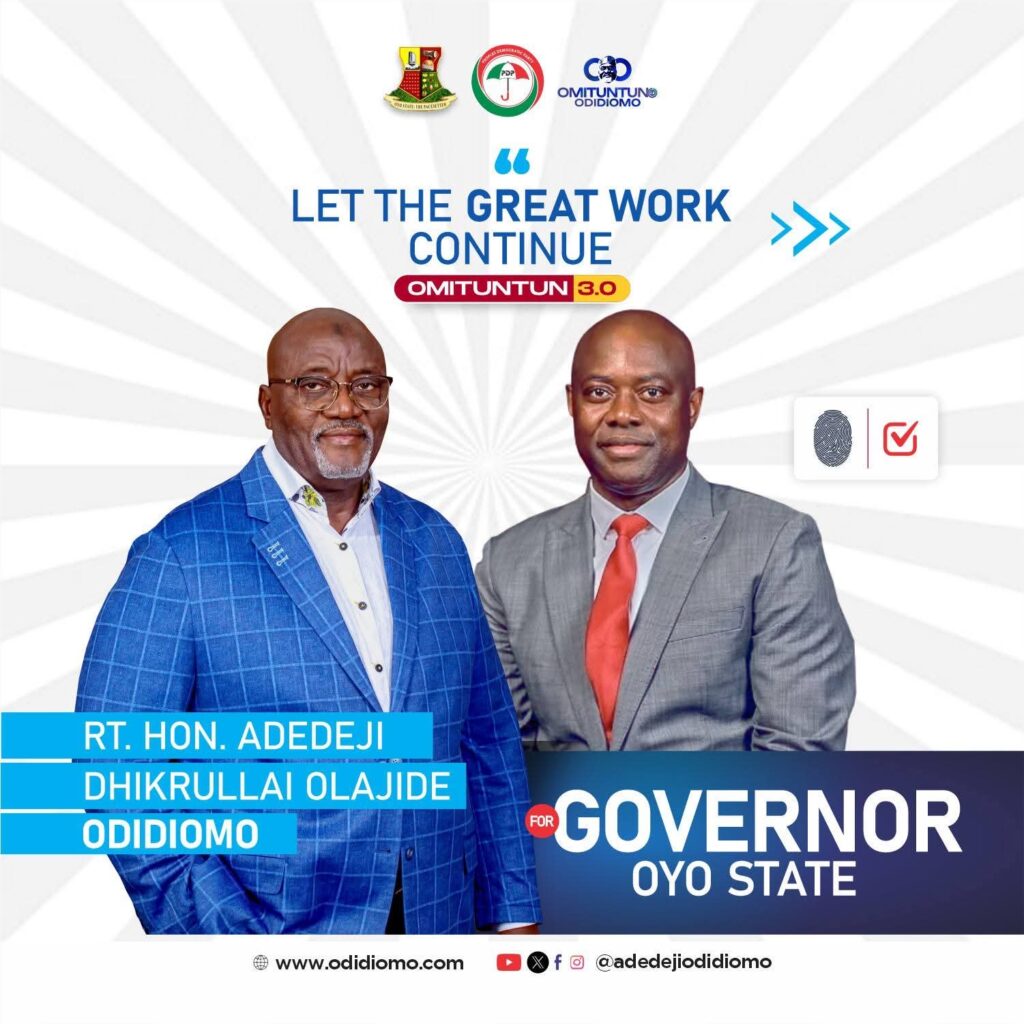
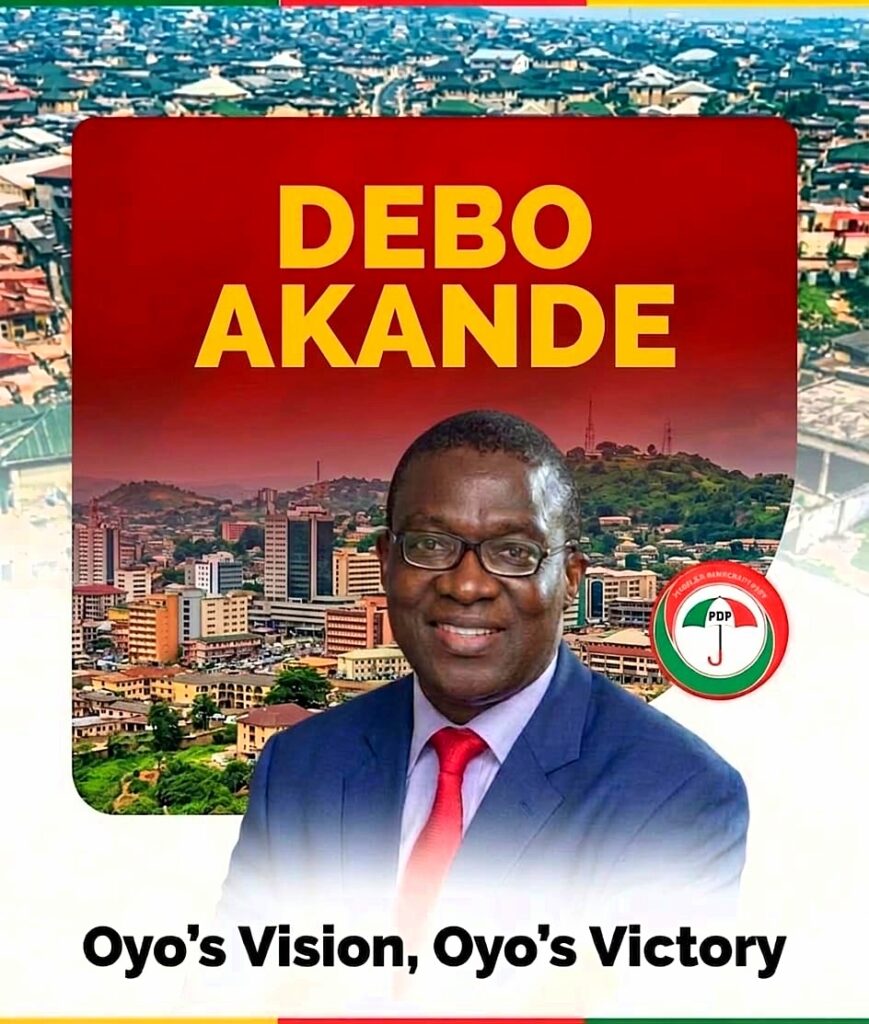
With May pencilled in as the critical month for primaries, the governor is no longer merely presiding over governance; he is racing against time to shape succession, preserve party cohesion and safeguard his political legacy.
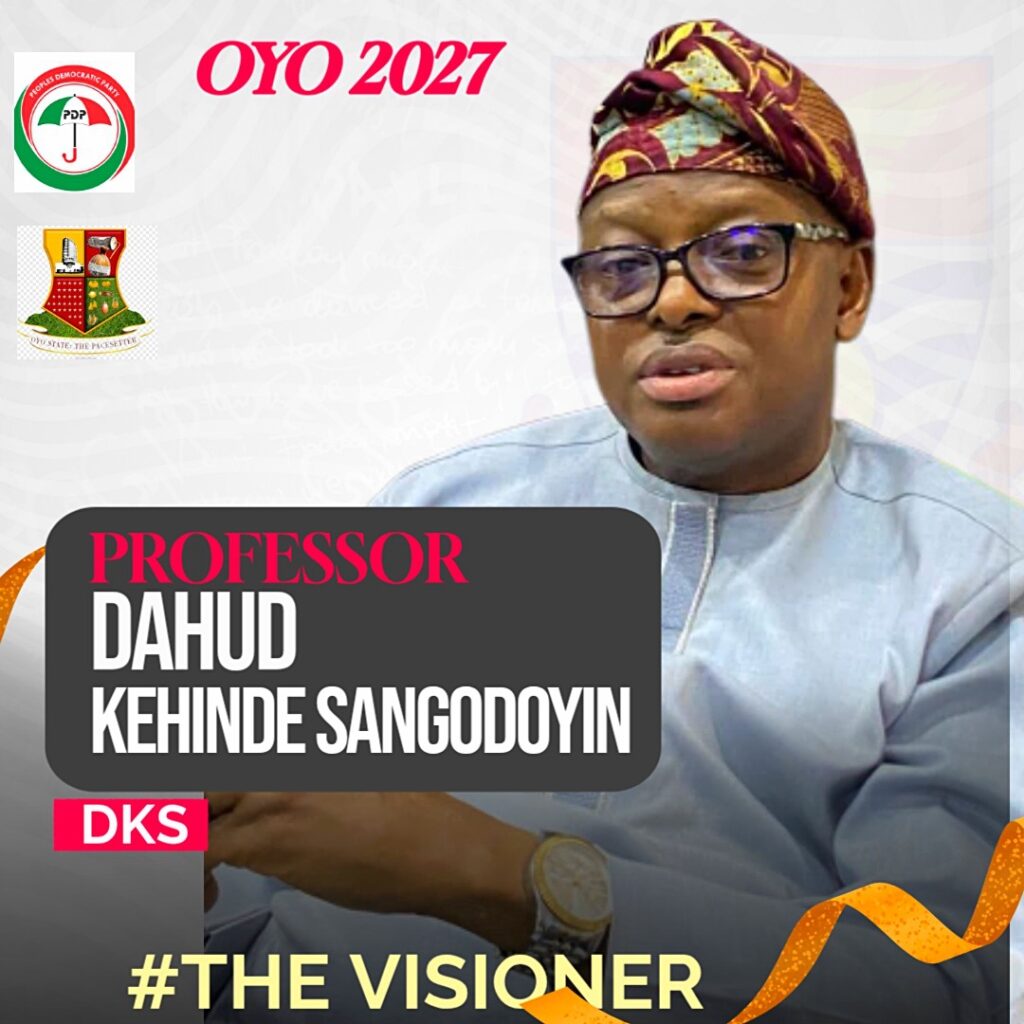
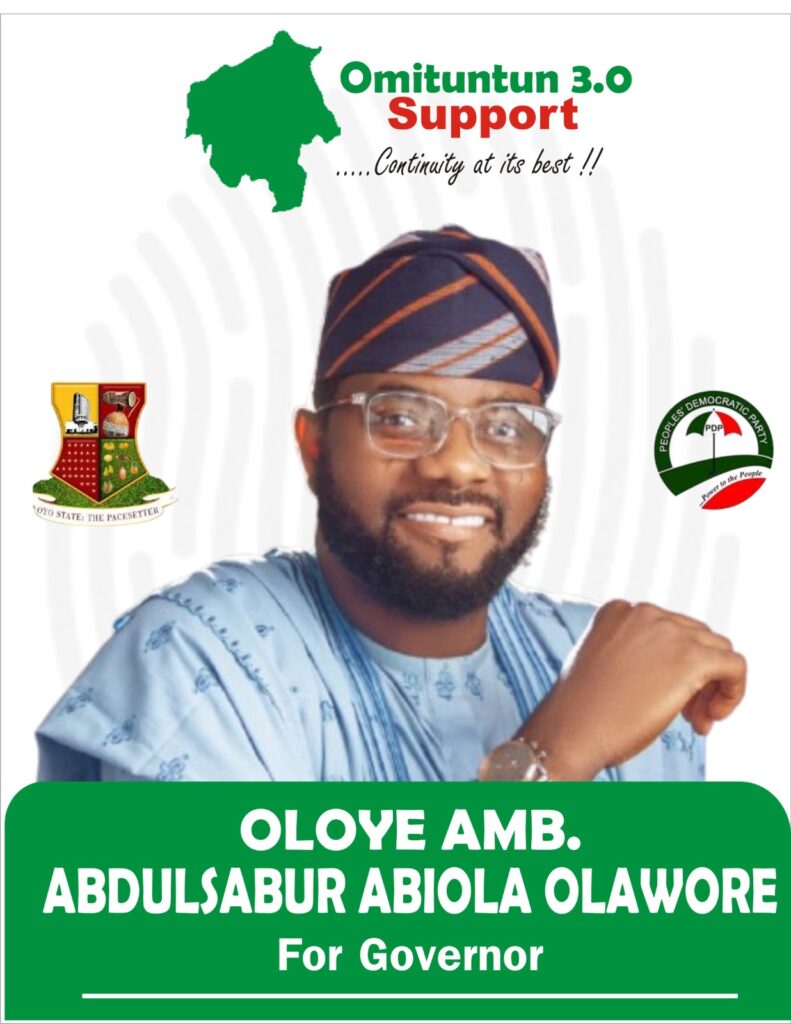
Within the PDP, a culture of deference has effectively frozen open ambition. No prominent figure has publicly declared a gubernatorial bid. The unwritten rule is clear: no one begins to politick without the governor’s blessing.
This command-and-control approach has thus far prevented factional implosions, but it has also created a vacuum of clarity.
While discipline is admirable, democracy thrives on structured competition. When ambition is suppressed rather than channelled, it does not disappear, it simply retreats into private negotiations and parallel structures.
The longer the PDP delays open engagement, the greater the risk of internal dissatisfaction hardening into post-primary resentment.
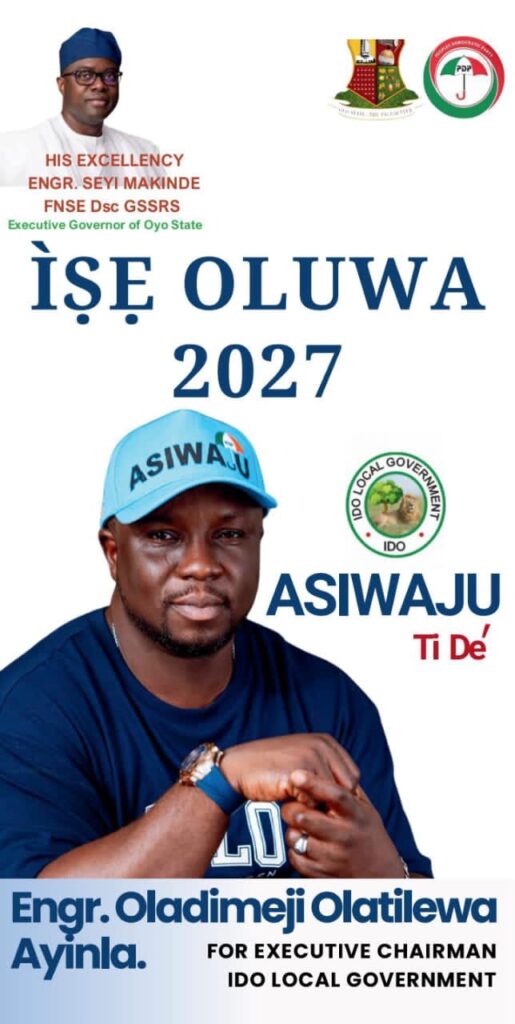
Governor Makinde’s dilemma is strategic and delicate. Having consolidated influence within the state, he commands enormous leverage over party structures.
Yet that very influence imposes responsibility. A poorly managed succession could fracture the unity he painstakingly built. A rushed endorsement could alienate loyal stakeholders.
Conversely, excessive hesitation could embolden the opposition and project uncertainty to the electorate.
The optics matter. In politics, perception often precedes reality. An opposition that appears prepared can unsettle a ruling party that appears contemplative. It is not about those that have declared their intentions in the PDP but who Seyi Makinde has in mind to recommend to the people of the state.
The APC, by contrast, is projecting readiness. Aspirants are surfacing, alliances are being tested and political structures are mobilising across local governments. Among the prominent figures is Senate Leader and APC Renewed Hope Initiative spearhead, Teslim Folarin.
As a seasoned political actor and the party’s state leader, Folarin’s potential ambition carries weight, organisational depth and symbolic authority.
Equally significant are names such as Minister of Power Adebayo Adelabu and Remi Oseni, both regarded as formidable aspirants capable of energising the APC base.
Other aspirants are Senator Fatai Buhari, Senator Soji Akanbi, Akeem Agbaje among, Azeez Adeduntan among others.
Should any of them clinch the ticket, the party would head into the general election with a candidate who has already undergone visible political seasoning through a competitive primary.
However, vibrancy can be a double-edged sword. A crowded APC field, if mismanaged, could degenerate into bitterness. Nigerian political history is replete with examples of primaries that produced winners but weakened parties.
The APC’s challenge will be to ensure that its internal democracy strengthens rather than splinters its platform.
Beyond the two major parties, activity remains measured. The African Democratic Congress (ADC) reportedly has two gubernatorial aspirants preparing for the contest, though the party has yet to demonstrate a coordinated statewide structure capable of matching the organisational heft of the PDP or APC.
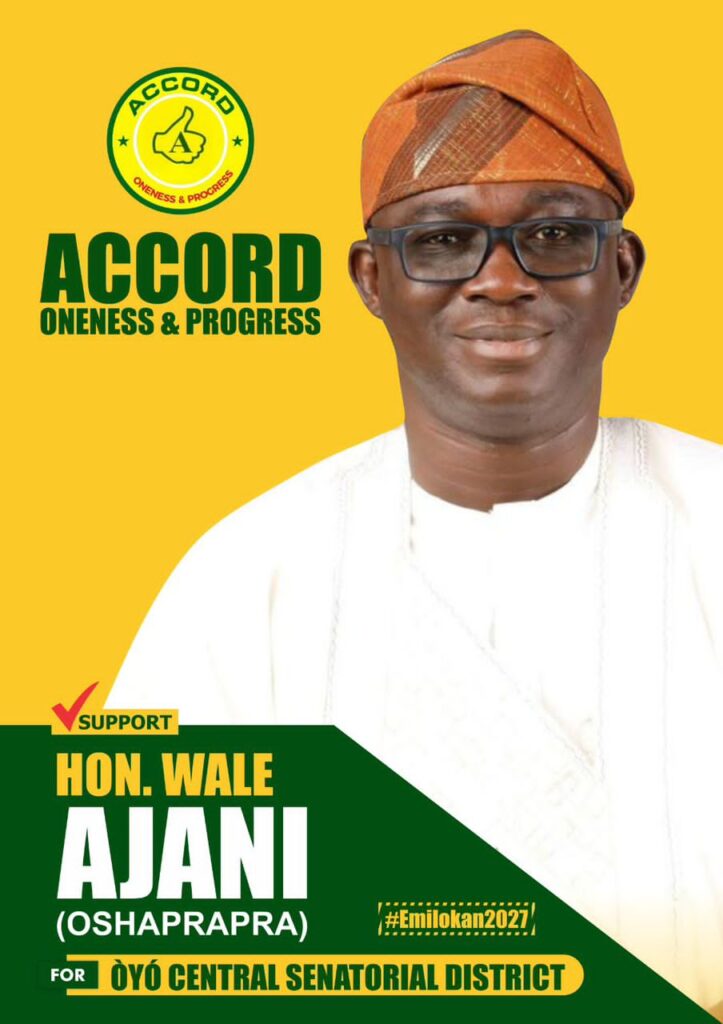
In the Accord party, the political conversation centres almost entirely on Oriyomi Hamzat. His prominence within the fold has effectively defined the party’s early narrative, but the absence of additional aspirants raises questions about breadth and internal contestation.
The broader issue, however, transcends personalities. Oyo’s electorate has evolved. Voters are increasingly issue-driven, assessing candidates on governance performance, economic management, infrastructural delivery and inclusiveness.
The next election will likely hinge not merely on political machinery, but on credible policy alternatives.
For Makinde and the PDP, the constructive path forward lies in controlled openness.
Rather than suppressing ambition, the party could institutionalise it through structured consultations, internal debates and clear timelines. This would not only reassure stakeholders but also demonstrate confidence in democratic processes.
For the APC, the task is consolidation. Aspirants must compete vigorously yet commit unequivocally to post-primary reconciliation.
A united opposition could convert PDP hesitation into electoral advantage. Ultimately, the May primaries represent more than a procedural milestone; they are a litmus test of political maturity in Oyo State.
They will reveal whether the ruling party can transition from dominance to orderly succession, and whether the opposition can transform ambition into cohesion.
Governor Makinde’s next moves will reverberate beyond his tenure. Succession politics is rarely tidy, but it is always consequential.
In managing this moment, he must balance authority with inclusion, timing with transparency and loyalty with electability.
In Oyo, silence may have served its purpose. But as the clock ticks towards May, clarity will determine who commands the future.
