


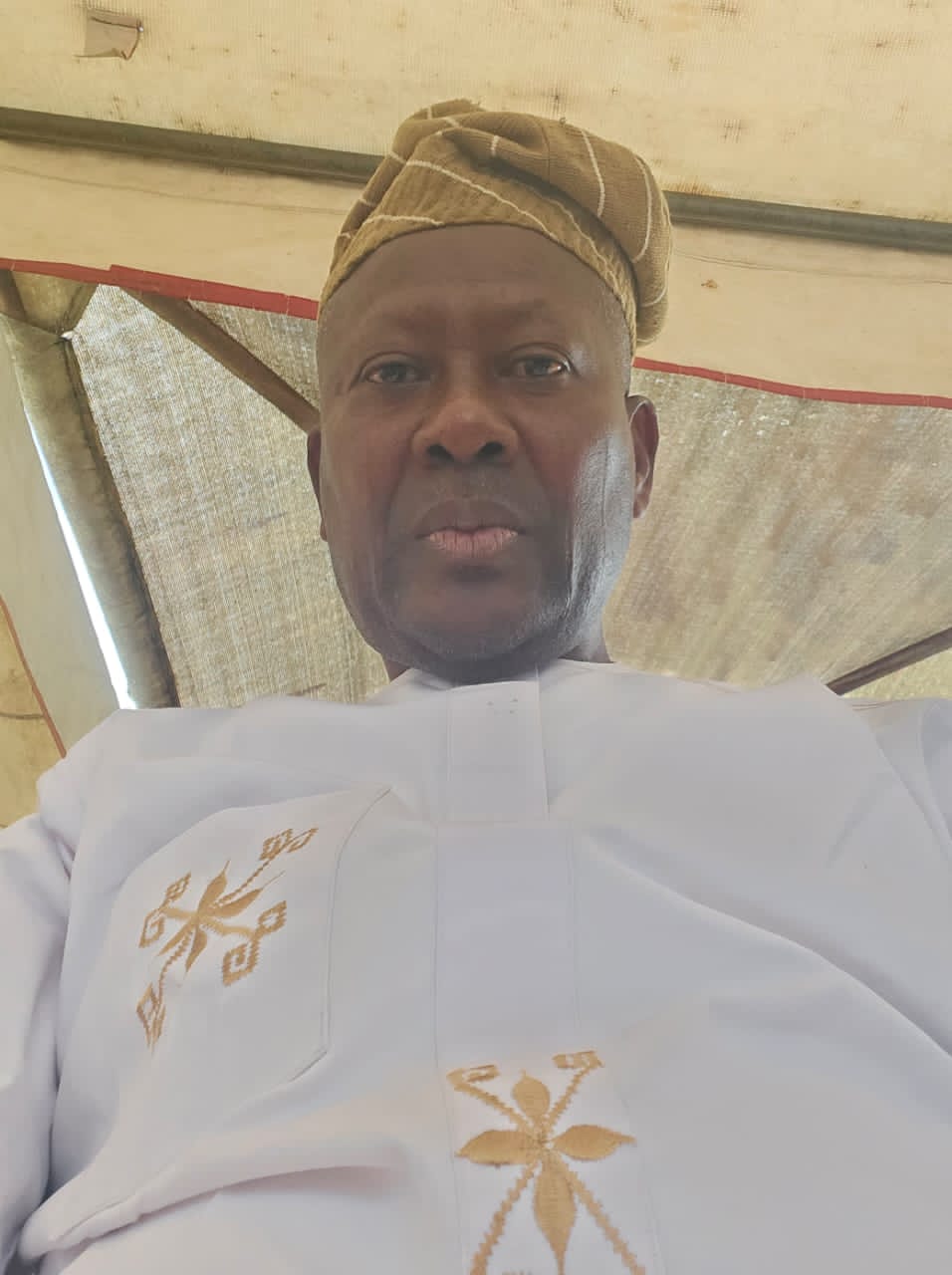
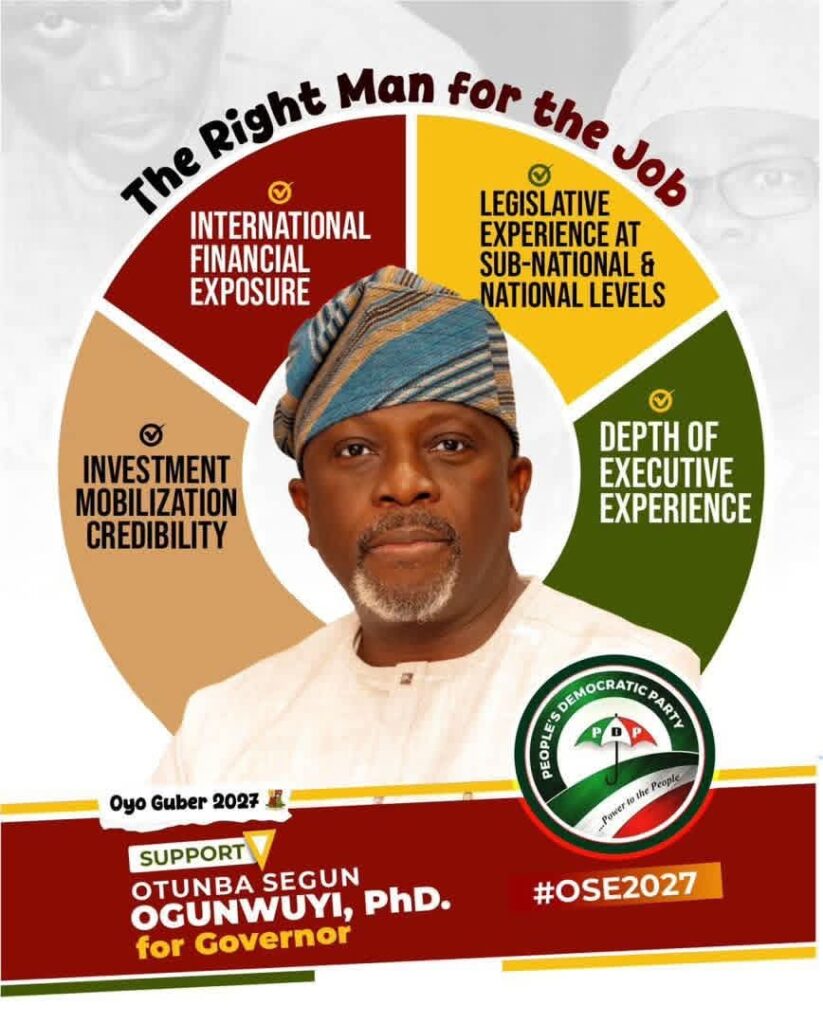
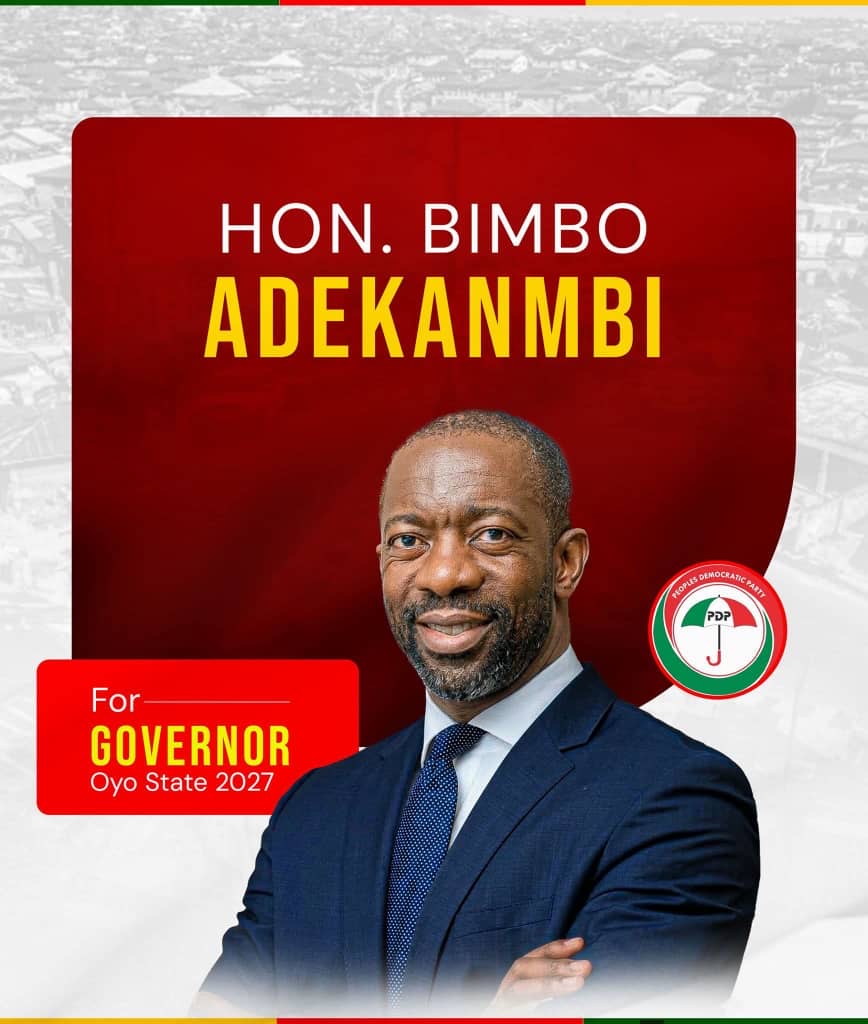
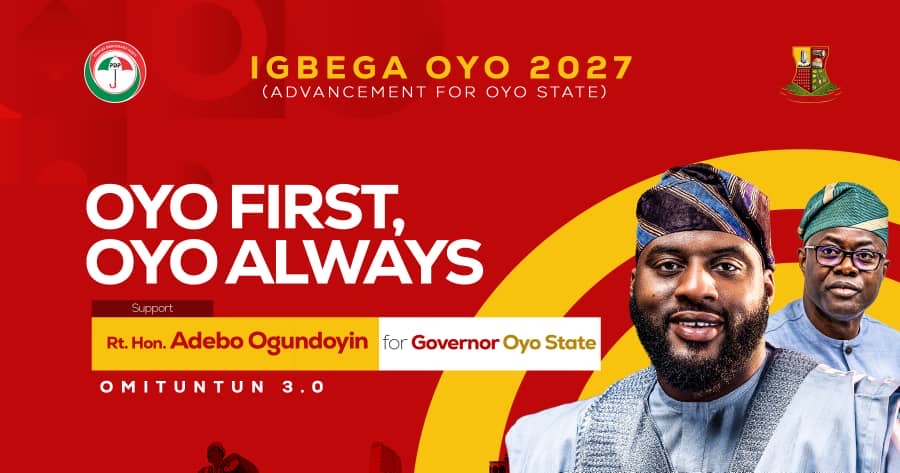
In a candid and policy-driven conversation held yesterday in Kishi, the immediate past Executive Chairman of Irepo Local Government Area, Alhaji Abdulateef Adediran Sulaimana, popularly known as Santana, sat down with the renowned media platform, Goalpoachernews to dissect the evolving dynamics within the People’s Democratic Party (PDP) in Oyo State.
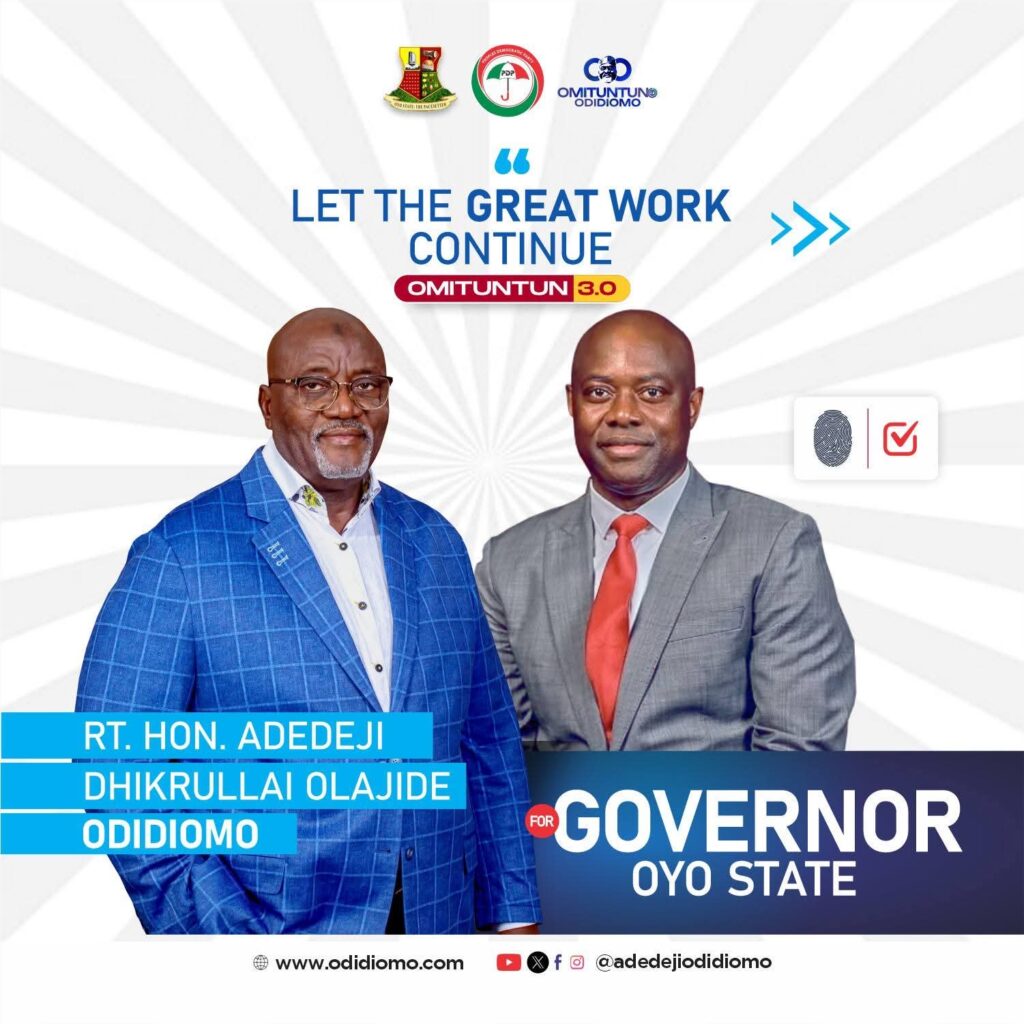
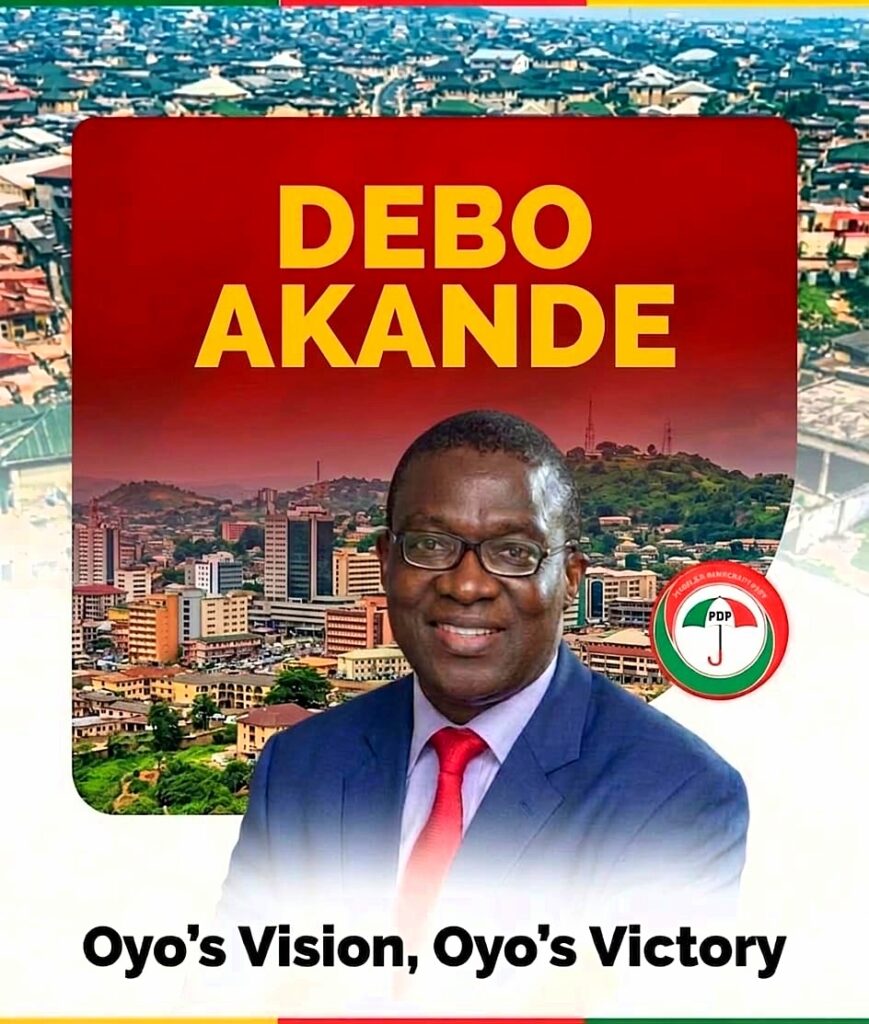
Against the backdrop of increasing conversations about internal democracy, grassroots inclusion, and the looming 2027 electoral cycle, Santana offered a measured assessment of the party’s structural strength, internal challenges, and the delicate balance between governance leadership and party administration under Governor Seyi Makinde.
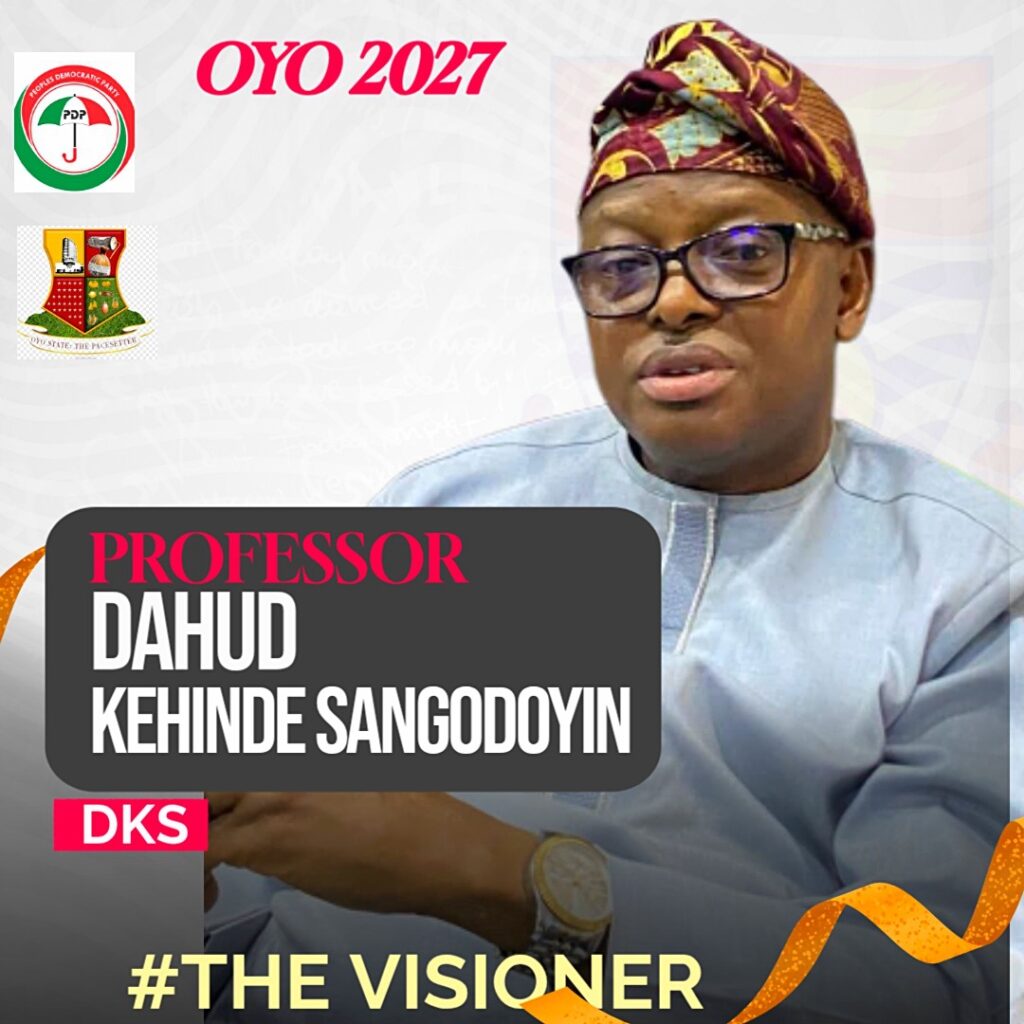
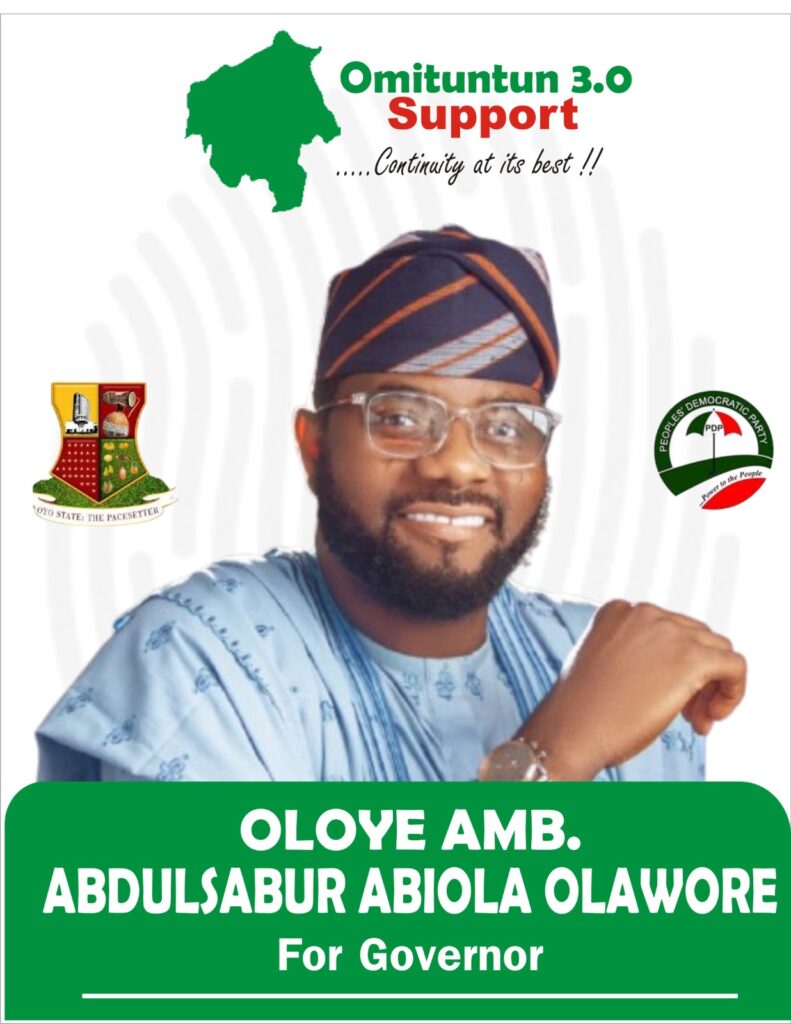
His remarks centered on institutional continuity, transparent processes, and the imperative of building consensus-driven structures capable of sustaining the PDP’s electoral competitiveness beyond individual tenures. With succession politics already shaping conversations across party lines, Santana emphasized that fairness, clarity, and stakeholder engagement will ultimately determine whether the PDP approaches 2027 from a position of unity or internal strain.
Below is the full interview.
Alhaji Santana, how would you assess the current state of the PDP in Oyo State?
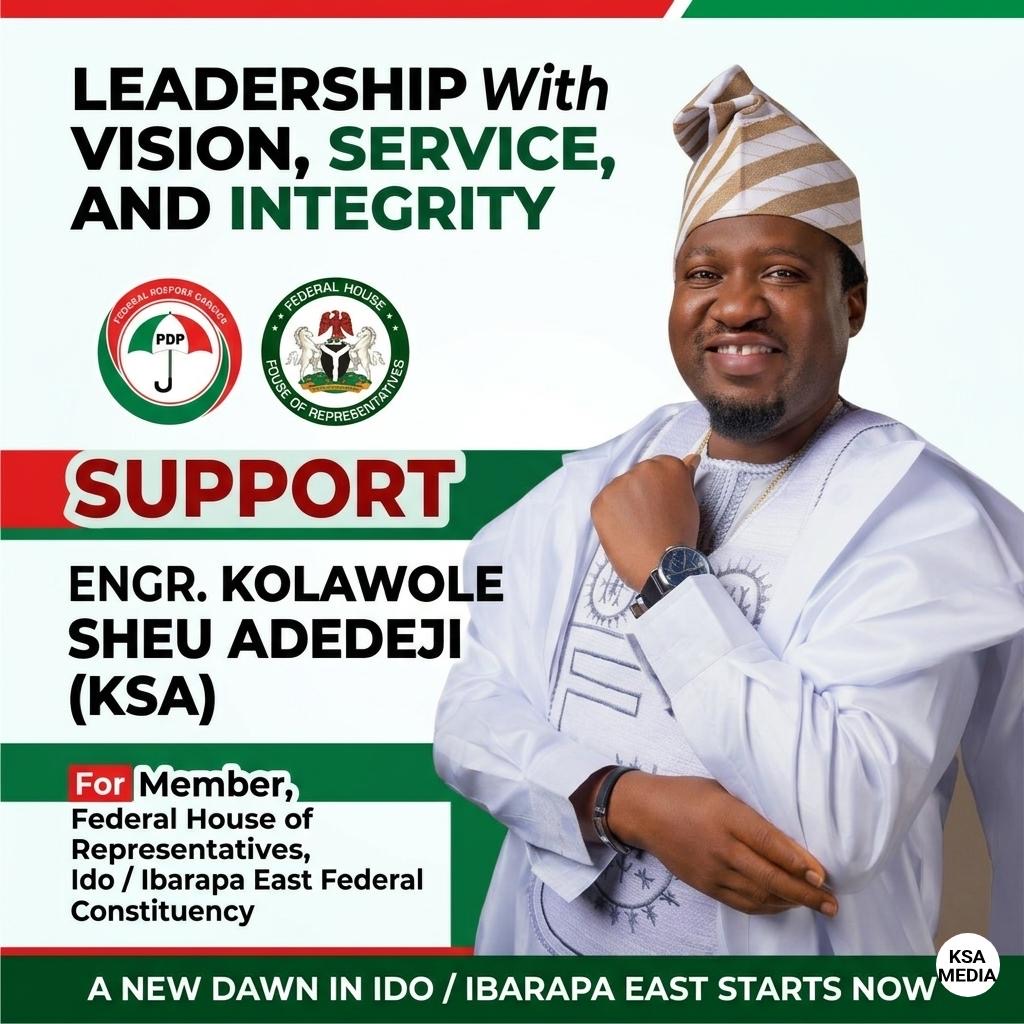
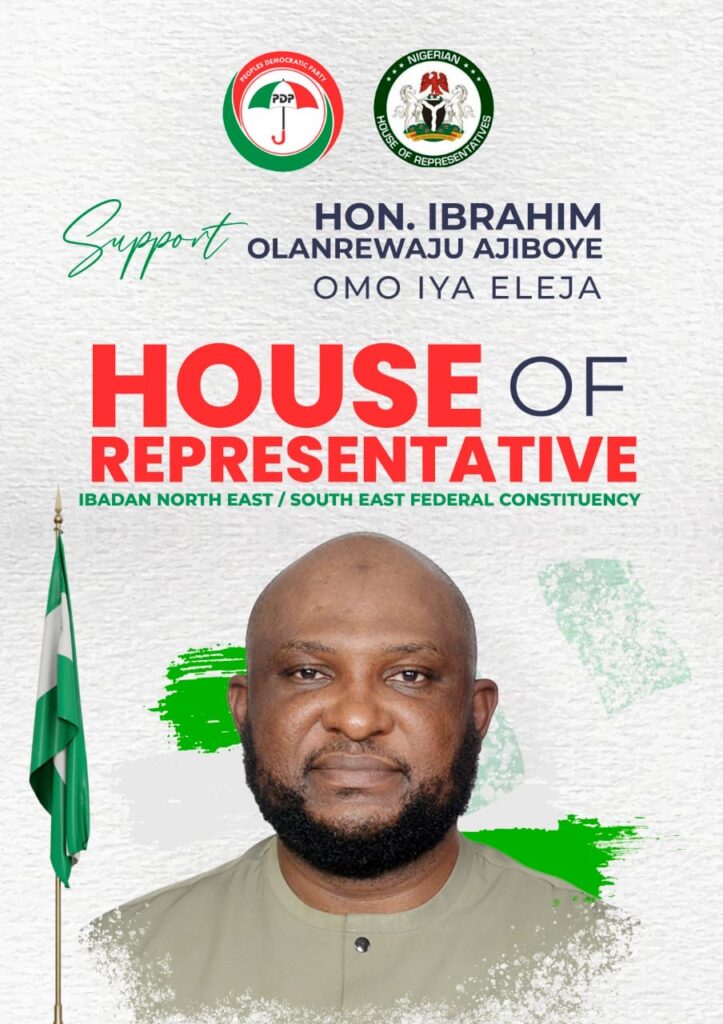
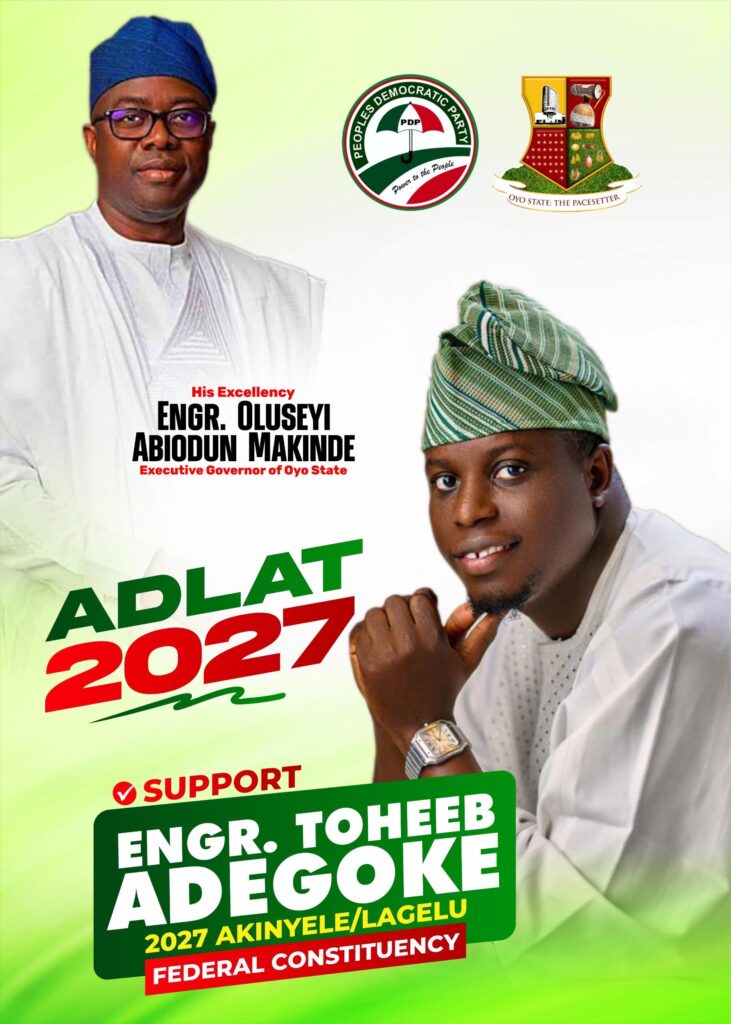
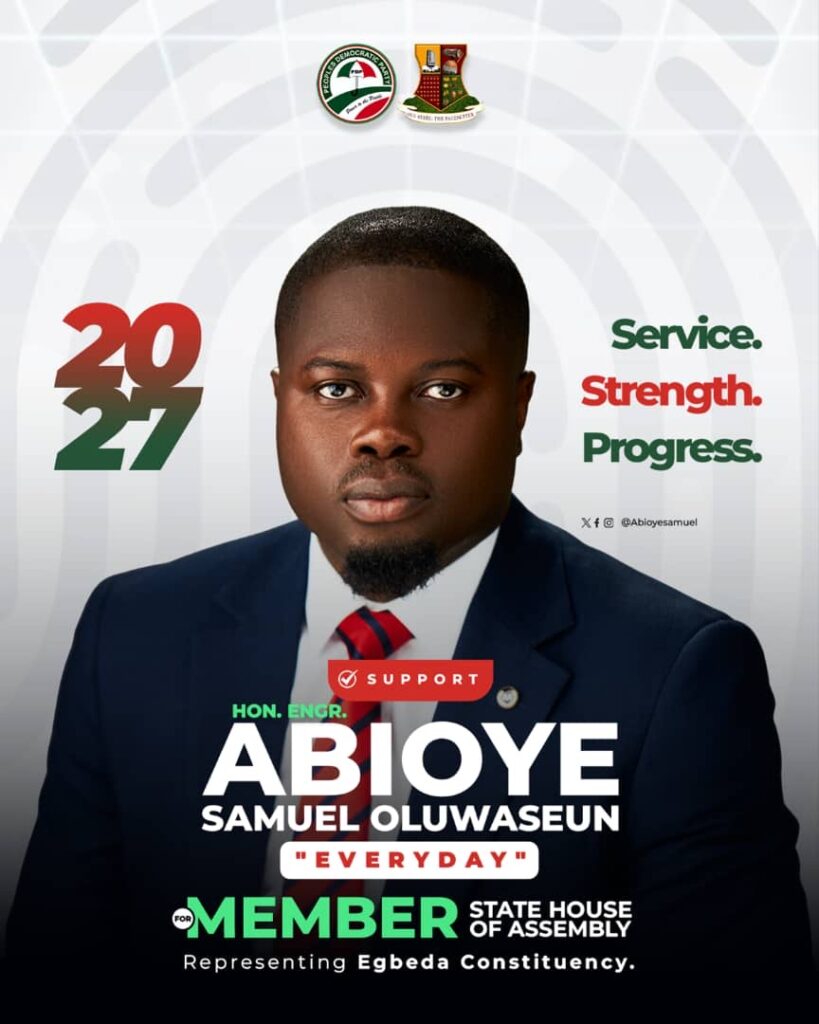
The PDP in Oyo State remains structurally strong and electorally competitive. It enjoys incumbency advantage and still commands significant grassroots loyalty. However, political strength is not merely about holding office; it is about sustaining internal cohesion and credibility.
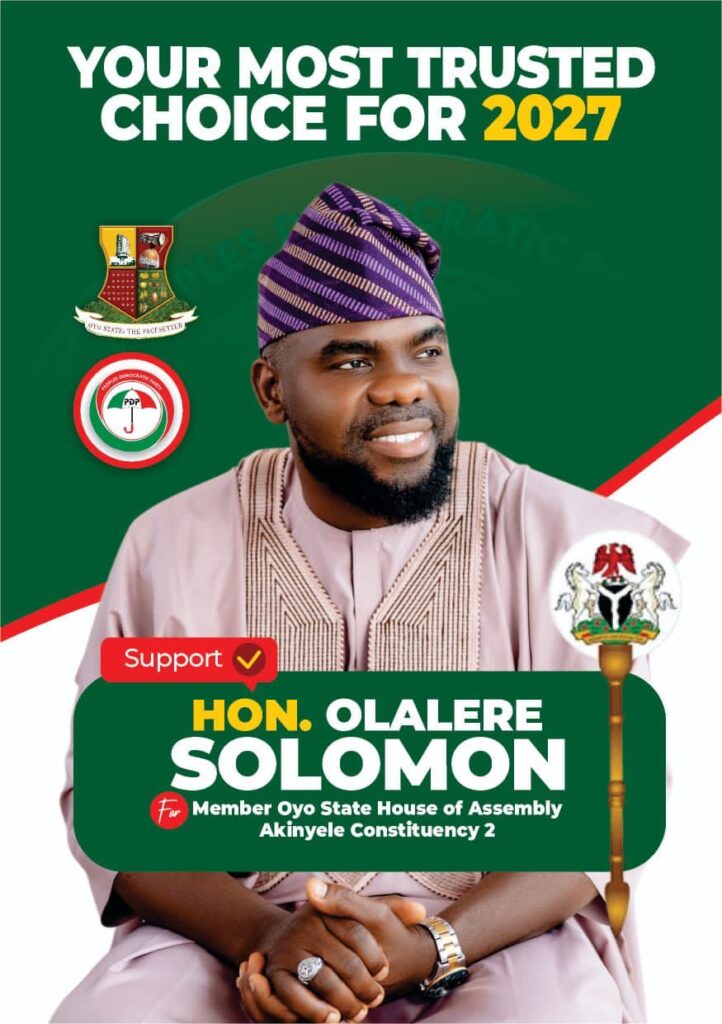
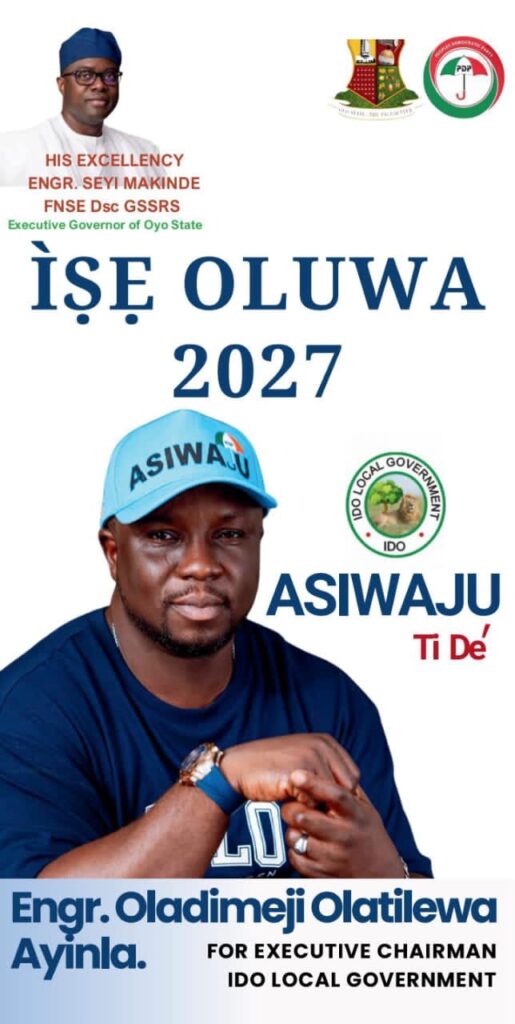
There are conversations within the party regarding inclusiveness, consultation, and the management of aspirations ahead of 2027. These discussions are healthy in a democracy, but they must be addressed transparently to prevent avoidable internal strain.
There have been concerns about internal democracy. Do you believe the PDP in Oyo is managing its internal processes effectively?
Internal democracy is the lifeblood of any political party. It requires transparent primaries, consultation with stakeholders, and respect for party organs from ward to state level.
The experience of 2023 offers lessons. Aspirations must be managed through clear rules and open engagement. When processes are perceived as centralized or opaque, it creates distrust—even if the outcomes are electorally successful. For 2027, fairness and clarity must be non-negotiable principles.
What role should grassroots structures play as the party prepares for 2027?
The grassroots are not ceremonial—they are foundational. Ward executives, local government leaders, and community stakeholders must be part of strategic decisions early on.
Political planning that is overly elite-driven can weaken mobilization. A bottom-up approach ensures ownership, reduces factional tendencies, and strengthens electoral machinery. The PDP’s historical strength in Oyo has always been its grassroots network; that must not be diluted.
How do you assess the leadership style of Governor Seyi Makinde in relation to party management?
There is a distinction between governance leadership and party administration. Governor Makinde has his governance record, which speaks for itself in several respects.
However, in party management, balance is critical. A strong executive presence should not overshadow institutional party structures. For the PDP to remain stable beyond any individual tenure, party organs must function autonomously and decisively. Institutional continuity is more important than personality influence.
There is increasing talk about succession politics and aspirants positioning for 2027. What is your take?
Ambition is legitimate in a democracy. The issue is not aspiration; it is process.
If aspirants believe the pathway is transparent and merit-based, competition strengthens the party. But if there is uncertainty or perceived favoritism, unity becomes fragile. Early clarity on guidelines, delegate structures, and consultation mechanisms will prevent tension and speculation.
Looking back at 2023, what lessons should the Oyo PDP learn?
The 2023 cycle demonstrated both resilience and vulnerabilities. Coalition management, stakeholder communication, and internal negotiations must be more structured.
When internal dissatisfaction is not properly managed, it can create long-term fractures. The lesson is simple: political victory should not come at the cost of internal trust. Sustainable dominance requires internal stability.
What concrete steps would you recommend to strengthen PDP’s cohesion ahead of 2027?
First, institutionalize regular stakeholder consultations across all senatorial districts.
Second, strengthen conflict-resolution mechanisms within party structures.
Third, ensure transparent delegate selection processes.
Fourth, clearly separate governance achievements from party strategy discussions.
Finally, allow merit and broad acceptability—not narrow alignments—to determine candidate emergence.
If these measures are implemented, the PDP will approach 2027 from a position of unity and moral authority.
Any final message to party members and the people of Oyo State?
My position is rooted in loyalty to democratic principles and party stability. Constructive criticism is not rebellion; it is responsible participation.
The PDP in Oyo State has the capacity to remain dominant, but only if fairness, openness, and inclusion guide our next steps. The future must be built on institutions, not uncertainty.
