Oyo Amebo
What if the future of a community was not dictated from the top, but imagined, designed, and built by the people themselves?
What if governance was not a distant authority issuing orders, but a partnership rooted in listening, trust, and shared responsibility?
In Oyo State, Honourable Abideen Tokunbo Adeaga is transforming that “what if” into reality. Over the past year, he has pioneered a form of leadership where citizens are not passive recipients of policies, but active architects of progress.
Under his stewardship, governance has shifted from being transactional to transformational, from being performative to participatory.
Across towns, villages, and peri-urban communities, a quiet revolution has been underway. Mothers, elders, youth, and local leaders are no longer on the sidelines; they are at the centre of decision-making.
Together, they identify priorities, propose solutions, and assume responsibility for outcomes. This is governance that listens first, acts second, and sustains always.
By the close of 2025, more than 250 community-led micro-projects had touched over 350,000 lives. Solar-powered boreholes now bring clean water to settlements previously neglected.
Classrooms have been upgraded to safe, functional learning environments, while healthcare centres have been strategically sited and equipped based on genuine local need. These interventions are not charitable gestures; they are evidence of the power of empowerment.
Adeaga’s model goes beyond implementation. Sustainability is embedded at every stage. Communities contribute land, labour, and oversight, with monitoring committees ensuring projects endure long after inauguration ceremonies end. Development is no longer imposed from above, it becomes part of daily life, owned by those it serves.
Inclusivity is not an afterthought, but a guiding principle. Widows gain support to create sustainable livelihoods. Orphans find mentorship and community integration. Persons with disabilities are actively involved in decision-making.
Women and youth are not only beneficiaries but leaders, cultivating civic engagement and trust, the pillars upon which lasting development rests.
One of the most emblematic programmes under Adeaga’s leadership is the Nigeria Community Action for Resilience and Economic Stimulus initiative, delivered in partnership with the World Bank and the Federal Government.
Over 10,000 vulnerable citizens received food and cash support. Beyond relief, it sent a powerful message: Oyo’s most marginalised are seen, valued, and central to the state’s growth story.
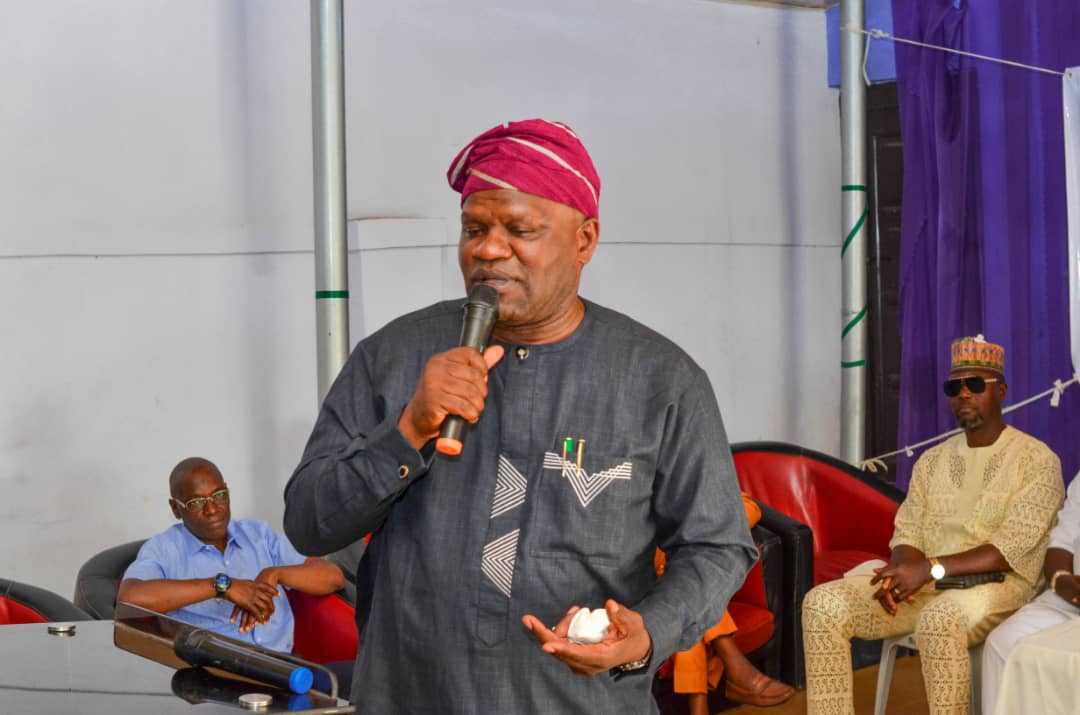
At the Alegongo Community Hall in Lagelu, Adeaga addressed beneficiaries not with rhetoric, but with resolve and gratitude. He reminded communities that safeguarding progress is as critical as achieving it — a call to continuity, accountability, and collective pride.
This participatory ethos extends across Ibadan, Oke-Ogun, Oyo, Ibarapa, and Ogbomoso. The lesson is clear: development is most enduring when it is co-created, inclusive, and reflective of the realities on the ground.
Clean water, thriving markets, functional schools, and resilient healthcare centres are not just amenities; they are proof that governance rooted in listening and empowerment yields measurable, lasting impact.
As Oyo State moves into 2026, the blueprint is evident. Under Adeaga, progress is no longer sporadic; it is structured, inclusive, and permanent.
Leadership, in this new paradigm, is not about being heard; it is about making communities heard, about transforming their aspirations into tangible outcomes.
Oyo has discovered a simple yet profound truth: when citizens are empowered to act, and leaders are committed to listening, development ceases to trickle down, it rises up, and it rises for all.