By Oyo Amebo
What if the measure of a state’s progress was not the height of its skyscrapers or the breadth of its highways, but the clarity of its rivers, the safety of its streets, and the health of its citizens?
In Oyo State, this question has moved from theory to practice, and the answer is shaping a model for intelligent, people-centred development.
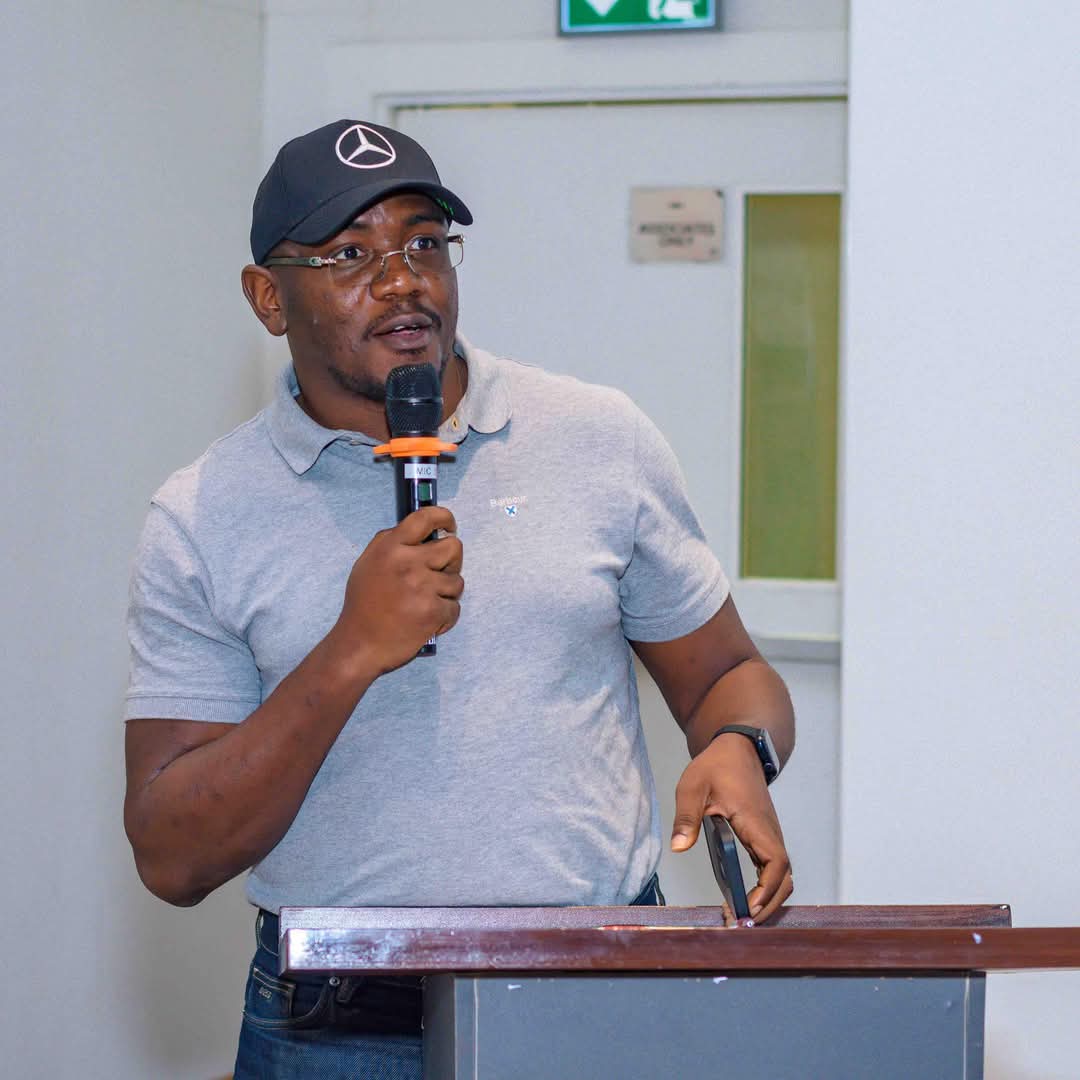
At the heart of this transformation stands Honourable Seun Ashamu, Commissioner for Environment and Natural Resources, working closely with Governor Seyi Makinde.
Together, they have reframed environmental management not as a side note in governance, but as the very foundation of a thriving society.
Ashamu’s philosophy is simple yet powerful: protecting the environment is inseparable from protecting people. Clean air, safe water, fertile soil, and well-maintained public spaces are not luxuries, they are the lifeblood of daily living.
Under his guidance, initiatives that once seemed mundane have become transformative agents of social, economic, and ecological change.
Consider flooding, a perennial threat in Ibadan and other urban centres. Once, the rainy season brought with it predictable devastation: submerged homes, ruined markets, blocked roads.
Today, these disasters are being mitigated through meticulous environmental mapping, data-driven planning, and targeted interventions.
Desilting rivers and reopening blocked channels may sound ordinary, but in practice, these actions save lives, protect livelihoods, and restore confidence in public spaces.
Even the wetlands, once dismissed as swampy wastelands, are being recognised for their ecological and economic value.
By restoring these natural buffers, Oyo State is preventing floods, enriching soils, and safeguarding water resources, all while enhancing the productivity of surrounding farmlands.
Urban sanitation has similarly undergone a quiet revolution. Where waste management once wavered between short-lived order and prolonged chaos, Ashamu’s reforms have introduced accountability, consistency, and citizen engagement.
Streets are cleaner, markets more functional, and refuse no longer clogs waterways. Crucially, this is not enforced through coercion alone: it is a cultural shift, one that transforms environmental care into a shared civic responsibility.
The ripple effects extend far beyond the city. Farmers in Oke-Ogun, Ibarapa, and other agricultural regions now employ soil-conservation techniques, sustainable land use practices, and afforestation strategies that protect their crops, stabilise incomes, and secure long-term food production. In this way, environmental stewardship and economic prosperity become inseparable.
What distinguishes Oyo’s approach is the deliberate fusion of ecology, economy, and community. Environmental clubs in schools, youth-led recycling initiatives, and local clean-up groups are empowering citizens to take ownership of their surroundings.
Public awareness campaigns reinforce understanding, creating a society that no longer sees environmental protection as optional, but as essential to daily life.
Predictive monitoring has replaced reactive management. Satellite mapping, data analysis, and field inspections allow authorities to anticipate illegal mining, waste dumping, and erosion before they escalate.
These systems make environmental care proactive rather than remedial, saving both resources and lives.
Health outcomes are a testament to the strategy’s efficacy. Cleaner water and air, properly managed waste, and restored wetlands reduce the prevalence of malaria, waterborne diseases, and respiratory ailments. For families, the benefits are tangible: safer homes, healthier children, and communities that thrive rather than simply endure.
Perhaps most compelling is the psychological transformation. Where once disorder and neglect fostered resignation, the steady improvements have instilled pride and confidence.
Citizens now inhabit spaces that reflect dignity and care. Investors are drawn to the state. Children grow up in environments that embody possibility rather than neglect.
Ashamu’s leadership, calm and methodical, exemplifies long-term thinking. Progress is incremental but cumulative, quiet yet undeniable. It mirrors the philosophy of Governor Makinde: development is not measured by spectacle, but by the well-being of people and the sustainability of the systems that support them.
Challenges remain, urbanisation, climate change, and population growth all place pressure on infrastructure.
Yet Oyo has demonstrated that a foundation built on environmental intelligence, citizen engagement, and strategic foresight can withstand these pressures while anticipating future needs.
The lesson is clear: true development does not dominate or subdue nature; it collaborates with it. By turning environmental care into a core pillar of governance, Oyo State has created a model where clean rivers, green spaces, and safe streets are not afterthoughts but engines of prosperity, health, and community empowerment.
Under Seun Ashamu’s guidance, Oyo has not only renewed its environment, it has reshaped its future. And in that quiet, transformative work lies a lesson for the nation: when people and nature are nurtured together, progress becomes intelligent, sustainable, and profoundly human.