By Oyo Amebo
In the theatre of Nigerian politics, where noise often drowns out meaning, leadership that listens can seem almost revolutionary.
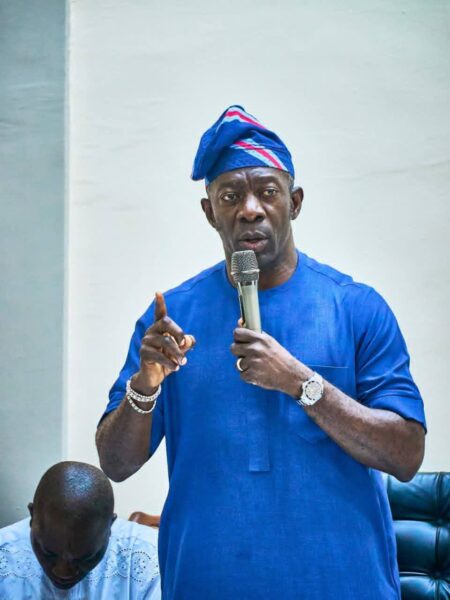
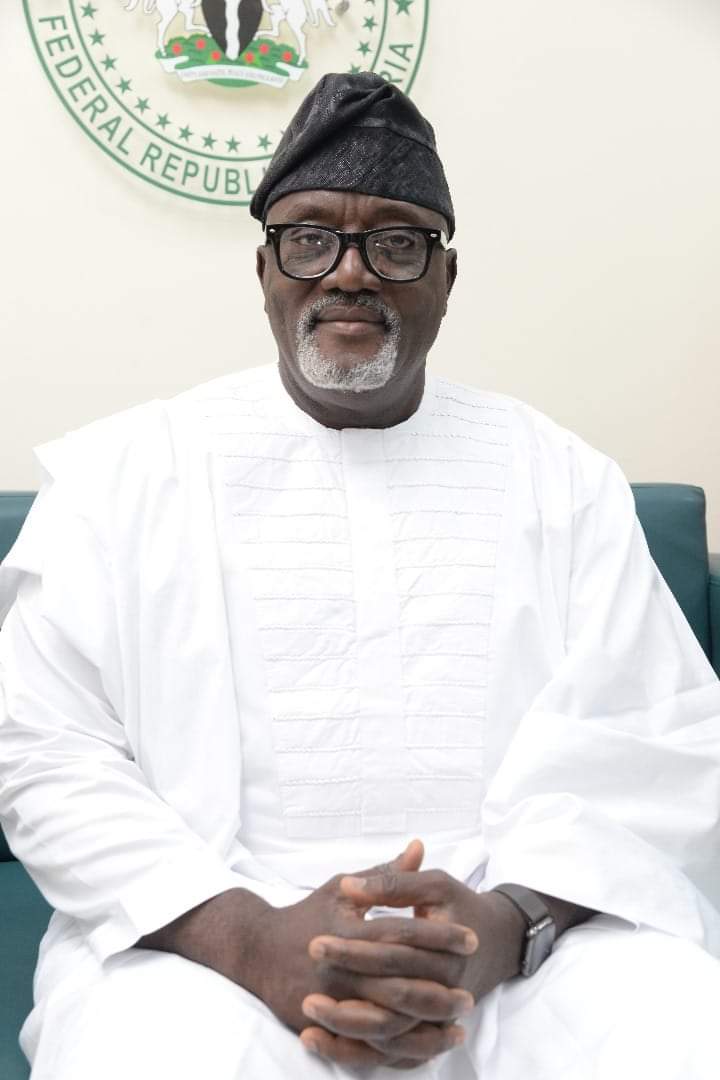
But in Ibadan, one man has shown that public service still has the power to speak softly and act boldly, Honourable Adedeji Dhikrullahi Stanley Olajide, better known as Odidiomo.
For him, politics is neither spectacle nor ceremony; it is a living, breathing commitment rooted in the lives of ordinary people.
His politics begins not in the chambers of power but in the crowded markets of Dugbe, the dusty workshops of Apata, and the schools of Omi Adio. Governance, he believes, should meet people where they live, not where power resides.
Odidiomo’s political journey was never about ambition; it began as an act of duty. Long before he bore the title “Honourable,” he was already at the forefront of community campaigns for better healthcare, improved schools, and safer neighbourhoods.
These early efforts gave his later public service an authenticity that has become rare in the national conversation.
At the National Assembly, his record speaks for itself. His interventions are not empty displays but purposeful actions. He has tabled motions and sponsored bills that focus on strengthening education, creating jobs, and supporting local businesses.
Each legislative move carries the imprint of lived experience, the translation of public frustration into policy.
Equally defining is his devotion to accountability. To Odidiomo, oversight is not confrontation but duty, the essence of good governance.
His town hall meetings are genuine dialogues, not political theatre, where citizens demand answers and receive them in full.
That openness, in a political culture more comfortable with secrecy, is both refreshing and instructive.
His idea of empowerment is similarly pragmatic. It is not driven by tokenism but by structure. Scholarships open paths to knowledge; vocational training converts idle hands into skilled ones; and small-business grants create sustainable livelihoods. These are not gestures of generosity but tools for independence.
The results of this quiet revolution are visible everywhere. Rehabilitated roads have revived local trade; upgraded schools are nurturing a new generation; and healthcare facilities once abandoned now serve their purpose again.
More importantly, Odidiomo’s approach has rekindled public faith in the idea that representation still means responsibility.
And so the question lingers among citizens and commentators alike: could this same brand of people-focused, transparent governance one day guide the state itself?
Odidiomo does not answer that question. He lets his work do the speaking, a rare discipline in modern politics. Perhaps that is why, to many, he stands not only as a man of the people but as proof that Nigeria’s future could still be built by those who remember to listen.