


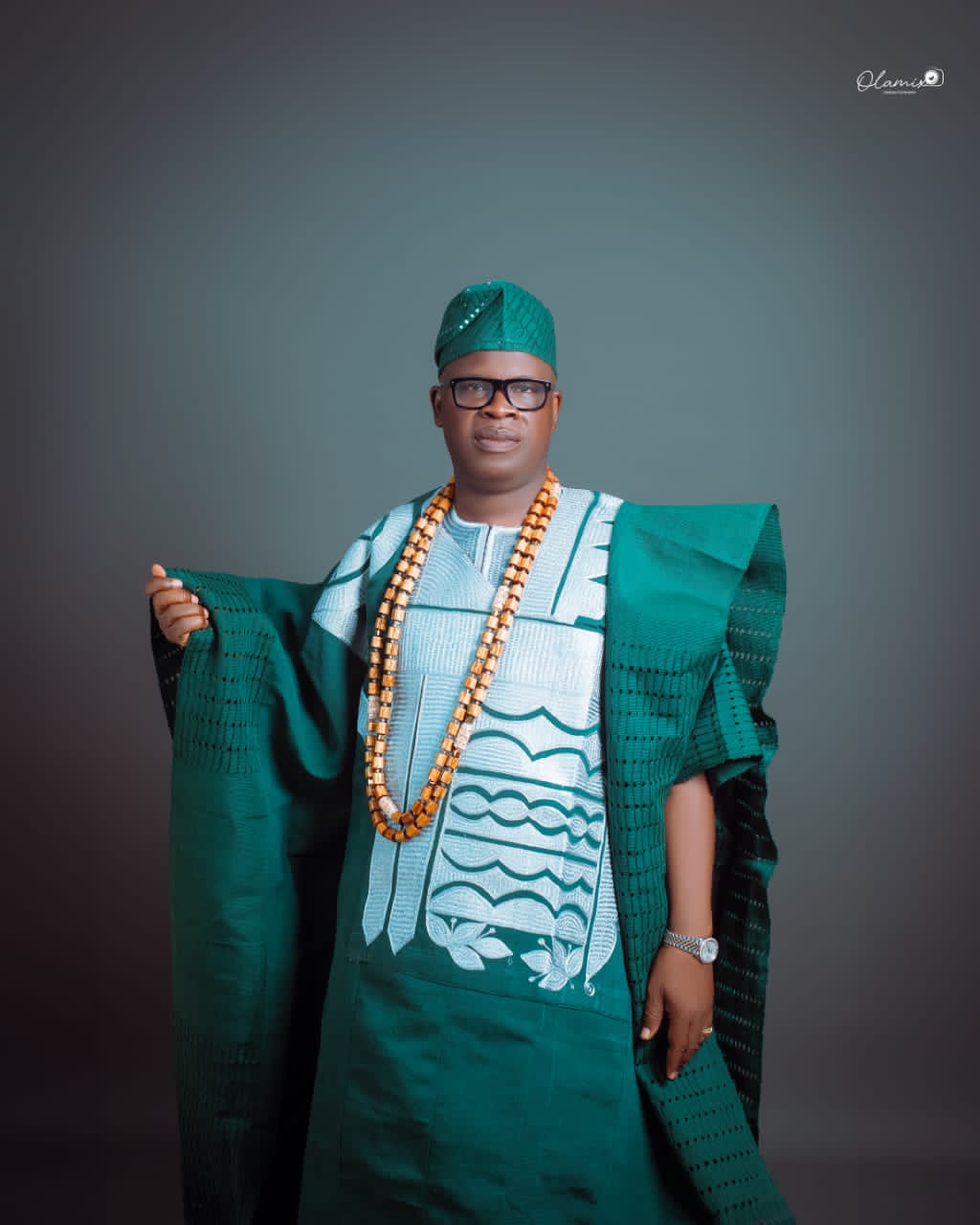
Every enduring civilisation is defined not only by its origins, but by the structures it builds to cross time. Cultures do not survive on memory alone; they survive because someone builds the bridge that carries meaning safely from one generation to the next. Within the Oòdua cultural framework, the title Okanloomo Oòdua exists as that bridge — carefully designed, constantly maintained, and vital to collective progress.
If the Arole Oòdua guards the source of the river and the Aare Atayeto Oòdua extends its flow across distant lands, the Okanloomo Oòdua builds the crossing. This role does not dwell at the riverbank of nostalgia, nor does it rush blindly into the unknown. Instead, it spans the divide between yesterday’s wisdom and today’s realities, ensuring that the journey toward tomorrow is possible without cultural loss.

A bridge must be strong enough to bear weight, flexible enough to endure change, and visible enough to guide travelers. In this same way, the Okanloomo Oòdua carries the weight of tradition, adapts to social transformation, and provides direction to a society in motion. It is through this bridge that ancestral values move from history into practice, from memory into meaning.

The work of the Okanloomo is not ceremonial architecture; it is functional engineering. By interpreting tradition in contemporary language, engaging institutions and communities, and mediating between generations, the Okanloomo ensures that culture does not remain stranded on one side of time. Without such a bridge, heritage risks becoming inaccessible — admired from a distance but unusable in daily life.

In an age of rapid change, bridges become more important than monuments. Monuments preserve the past; bridges enable continuity. The Okanloomo Oòdua recognises this truth by refusing to fossilise tradition. Instead, the title preserves core values while allowing their application to evolve responsibly. This ensures that modernity does not erode identity, and that identity does not resist progress.


Beyond continuity, the bridge-building role of the Okanloomo Oòdua is inherently unifying. Bridges connect people who might otherwise remain separated by time, ideology, or experience. By fostering dialogue and inclusion, the Okanloomo reinforces the idea that heritage belongs to all — elders and youth, custodians and citizens alike. Culture, in this sense, becomes a shared pathway rather than a guarded relic.


Ultimately, the future of any legacy depends on whether it can be crossed into the next generation. The Okanloomo Oòdua exists to ensure that this crossing is safe, intentional, and enduring. By linking where we come from, where we stand, and where we are going, the title transforms tradition into a living infrastructure — one that supports stability, direction, and collective purpose.

In building this bridge across time, the Okanloomo Oòdua affirms a simple but profound truth: heritage does not move forward by itself. It must be carried, connected, and consciously conveyed.
Williams Abiola is the Personal Media aide to Okanlomo Oòdua
