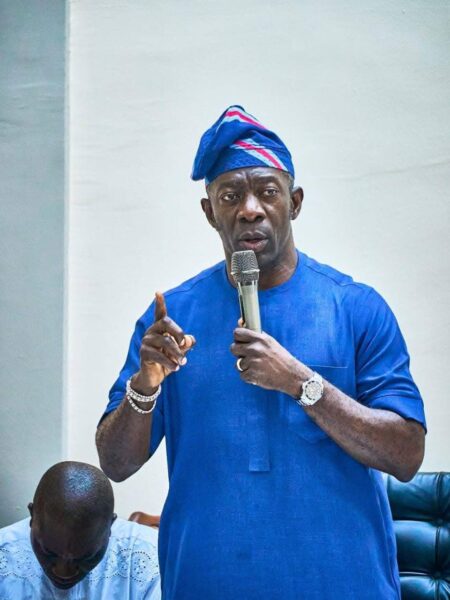
As political realignment talks intensify ahead of the 2027 general elections, one argument keeps resurfacing in Oyo State and beyond: starting a new political platform without proven leadership is a non-starter. The consensus among party stakeholders is simple – it is only a tested and trusted leader like Governor Seyi Makinde who has the credibility and structure to float a new party that will have real impact.
Credibility is the currency of a new platform
Nigeria’s political history is littered with parties that existed only on paper. The difference between a paper party and a movement lies in trust. A leader who has delivered visible projects, managed state finances prudently, and maintained consistent grassroots engagement brings immediate legitimacy to any platform he leads.
Governor Makinde’s two-term record in Oyo State – covering education reform, infrastructure expansion, health sector upgrades, and a reputation for paying salaries and pensions promptly – gives him that capital. Supporters argue that this record allows him to attract both voters and political actors without starting from zero.
Structure matters more than slogans
Floating a new party is not just about a name and logo. It requires ward-level structures, funding, candidate recruitment, and conflict management across 36 states. That is where a leader with an existing, functioning political machinery holds an advantage.
In Oyo, the PDP structure built around Makinde’s administration has shown capacity to win elections across diverse local governments. Political analysts say replicating or repurposing that structure for a new platform would give it a running start that most new parties lack.
Impact requires delivery, not just rhetoric
Voters in 2027 are expected to prioritize delivery over party branding. The argument being made is that a new party led by someone with a verifiable delivery record can convert skepticism into support quickly.
“People don’t join parties because of names anymore,” one Ibadan North-West stakeholder noted. “They join because they believe the person at the top can get things done from Abuja to the ward. That’s why only a leader like Makinde can make a new party matter.”
The road to 2027
With the official declaration and alliance made regarding a new party, the conversation reflects a broader frustration with party discipline, candidate selection, and policy consistency in the established parties.
If that frustration hardens into a movement, the test will be leadership. And in that debate, the name that keeps coming up in the South-West and beyond is Seyi Makinde – not because of speculation, but because of the political capital that comes from eight years of governing under public scrutiny.
Whether a new party emerges or not, the underlying point remains: in Nigerian politics, impact follows trust, and trust follows delivery.
Written by
Mogaji Akin Fagbemi LL.B, Ph.D