



Politics should be a tool for unity, development and service to the people—not a source of division. The leadership approaches associated with *Akin Fagbemi, Ph.D. and *Hon. Akin Fijabi provide useful models for building cooperation, strengthening representation and promoting the interests of the North-West/South-West constituency.
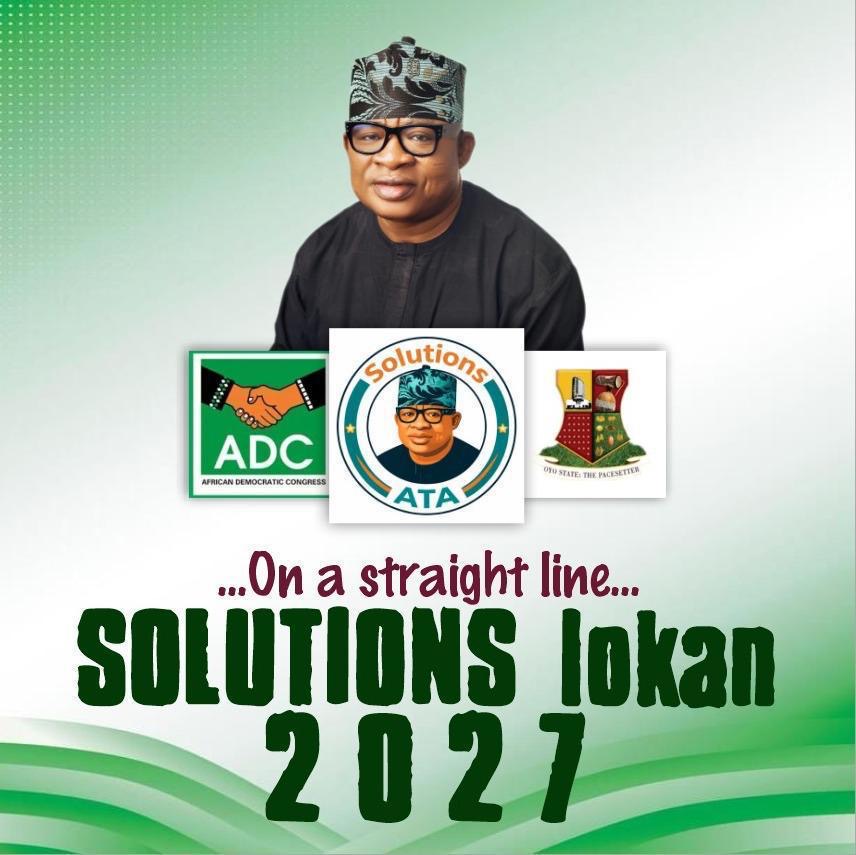
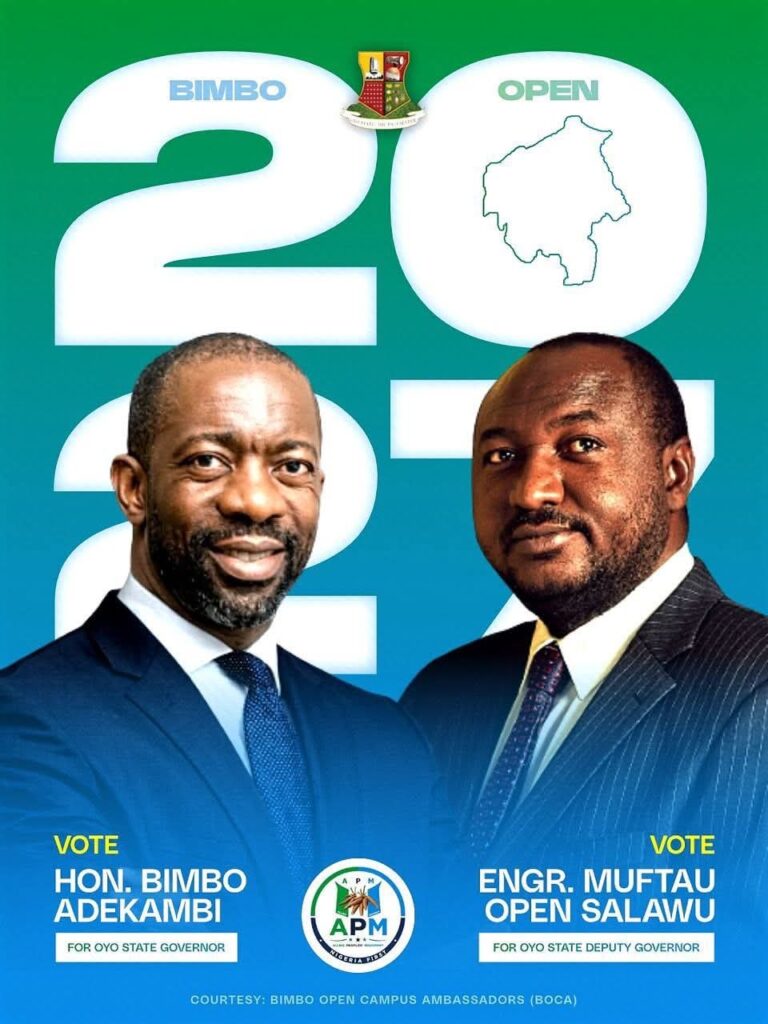
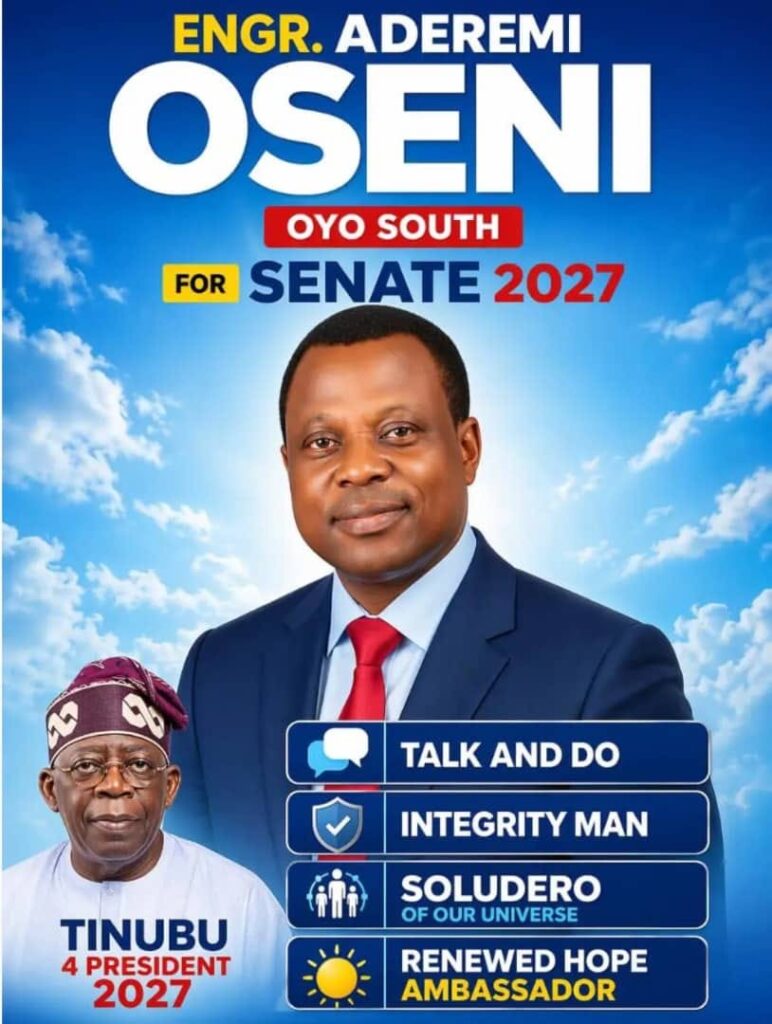
The Akin Fagbemi, Ph.D. Model: Knowledge, Unity and Strategic Leadership
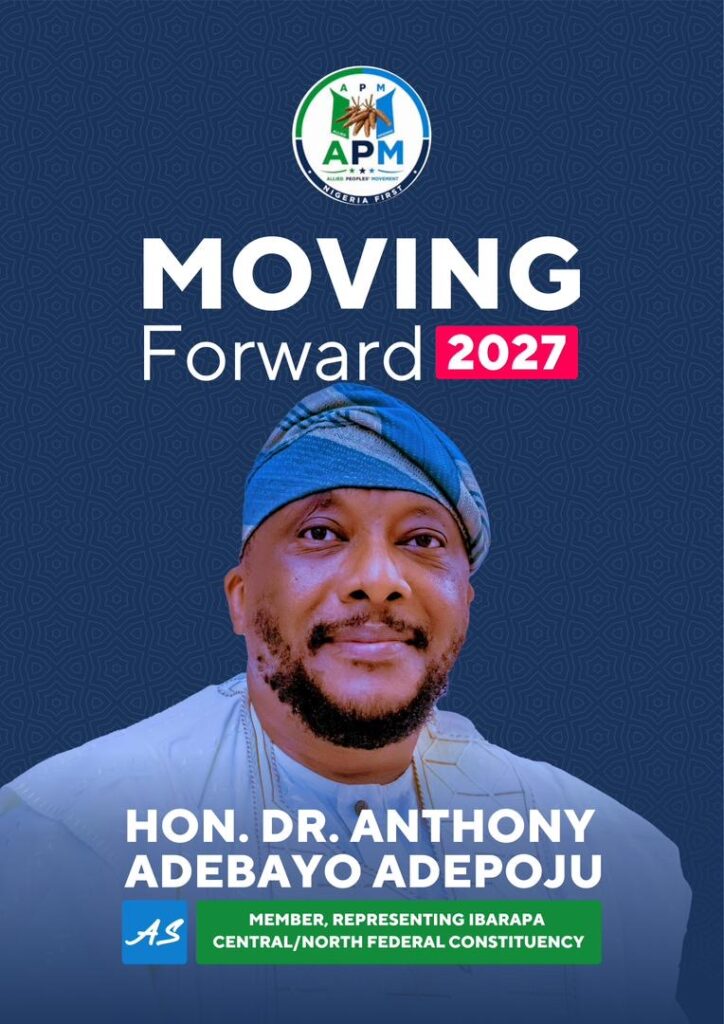

The Dr. Akin Fagbemi model is built on intellectual capacity, integrity, consultation and the ability to bring people together around common objectives. It demonstrates that effective leadership requires:
- Knowledge-driven decision-making;
- Respect for diverse opinions and communities;
- Bridge-building across ethnic, religious and political differences;
- Commitment to fairness, inclusion and accountability;
- Strategic thinking focused on long-term development;
- Placing the collective interest above personal ambition.
This model is particularly important in a diverse constituency. By encouraging dialogue and cooperation between the North-West and South-West, it can promote mutual understanding, trust and a stronger political partnership.
The Fijabi Model: Grassroots Representation and Practical Service
The Fijabi model emphasises accessibility, direct engagement with constituents and practical attention to grassroots needs. It promotes:
- Regular interaction with the people;
- Effective representation of constituency interests;
- Advocacy for roads, schools, healthcare, water and electricity;
- Youth and women empowerment;
- Support for small businesses and local enterprise;
- Accountability, feedback and measurable results.
This model shows that leadership must remain connected to the people. Political representation should translate into tangible improvements in the daily lives of constituents.
Benefits to the North-West/South-West Constituency
- Stronger Unity and Cooperation
The two models can help unite communities and political stakeholders across regional, ethnic and religious lines. This will create a more peaceful and coordinated constituency.
- Better Political Representation
Combining strategic leadership with grassroots engagement will strengthen advocacy for the constituency at the state and federal levels.
- Improved Infrastructure
A united political front can attract more development projects, including:
- Roads and drainage;
- Schools and skills-acquisition centres;
- Primary healthcare facilities;
- Water and electricity projects;
- Digital and communications infrastructure.
- Youth Empowerment and Employment
The constituency can benefit from coordinated programmes in vocational training, entrepreneurship, technology, agriculture and access to business financing.
- Greater Access to Government Opportunities
Unity between the North-West and South-West can improve access to federal interventions, grants, appointments, development programmes and public-sector opportunities.
- Peace and Security
Cooperation among leaders and communities can promote peaceful coexistence, improve information-sharing and support effective responses to insecurity.
- Inclusive Development
The combined approach ensures that development reaches women, youths, persons with disabilities, vulnerable groups and underserved communities.
- Increased Political Influence
A united constituency has greater bargaining power within political parties and government. Unity strengthens its ability to demand projects, representation and fair treatment.
Conclusion
The Akin Fagbemi, Ph.D. model represents knowledge, strategic thinking, integrity and unity, while the Fijabi model represents grassroots connection, practical representation and constituency service. Together, they offer a strong foundation for inclusive and development-oriented politics.
For the North-West/South-West constituency, the message is clear: political unity will produce stronger representation, improved development, greater opportunities and a more secure future for the people. Leadership must therefore be based on cooperation, competence, accountability and service to the common good.
