


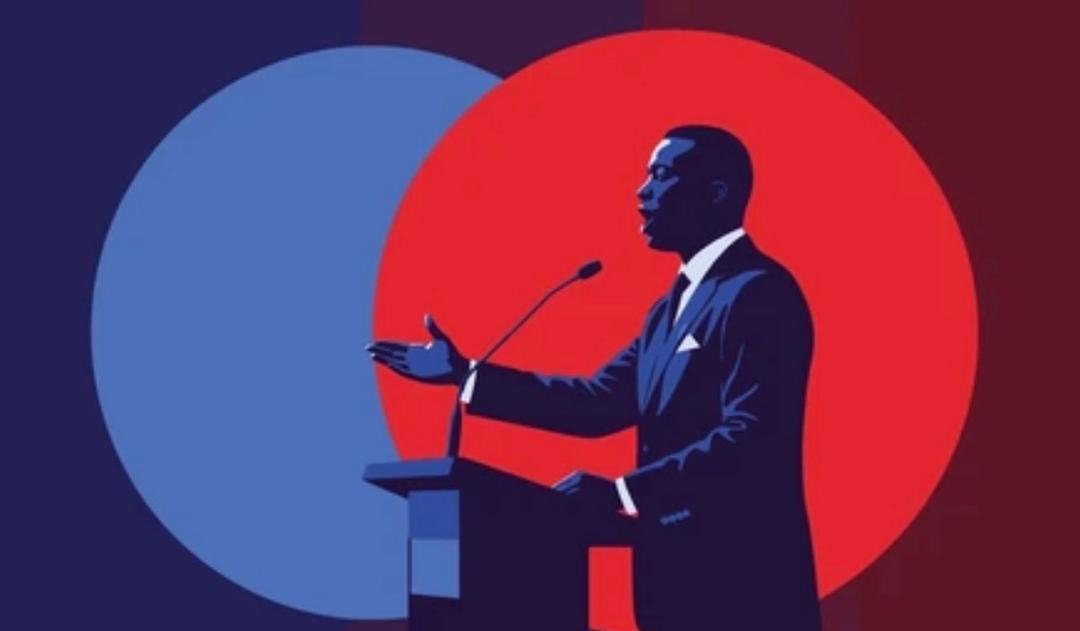
Nigeria’s politics has traded ideals for insults. Spokespersons, once bridges between citizens and power, now stand as barricades — with damaging consequences for democratic accountability.
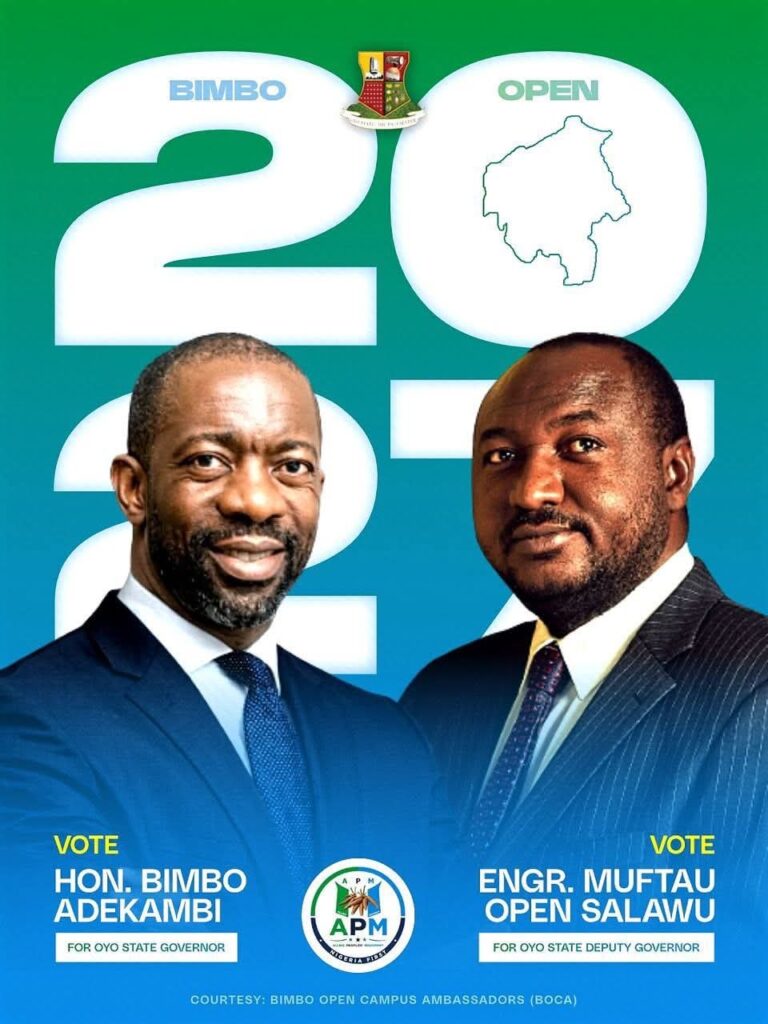
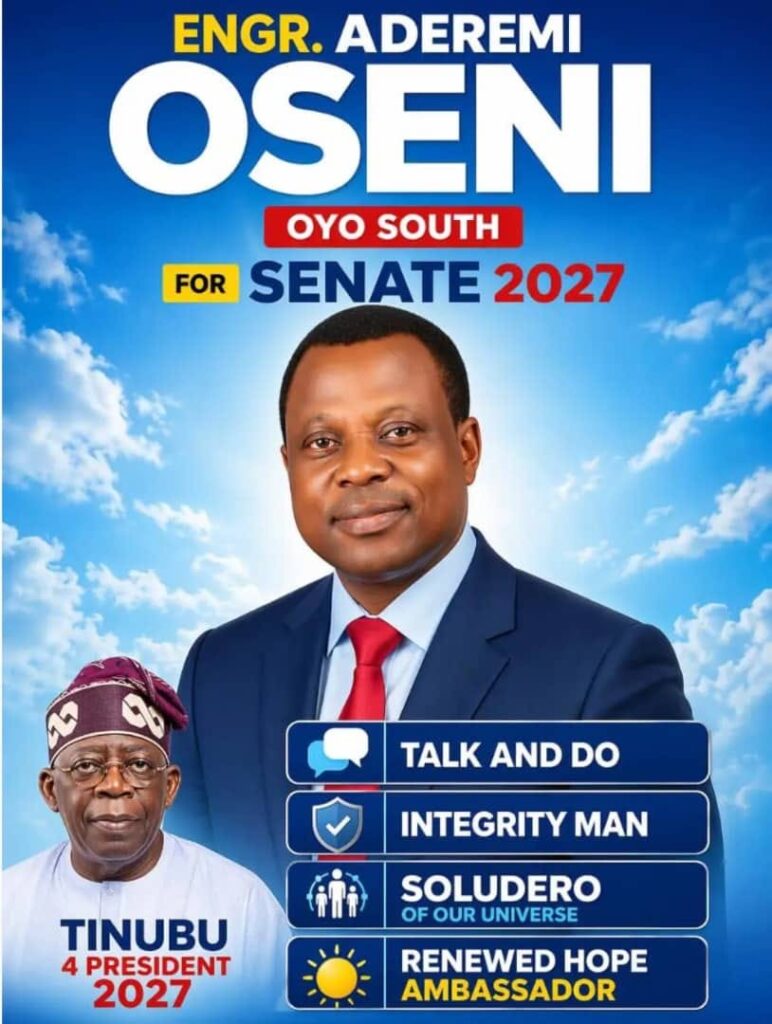
Nigeria’s democracy is confronting a subtle but corrosive transformation: the rise of the political spokesperson not as a conduit of public understanding, but as a combatant in perpetual partisan warfare.

In healthier democracies, elected officials defend their policies, articulate their visions and submit themselves to scrutiny. In Nigeria, however, the moment a government is sworn in, many leaders retreat behind a phalanx of spokespersons whose primary function is not explanation but confrontation. The public square increasingly resembles a battlefield rather than a forum for ideas.




Across party lines, spokespersons have perfected a troubling craft: personalizing every disagreement while evading substantive issues. Raise concerns about insecurity and you are accused of political mischief. Question economic policy and your motives are interrogated rather than your arguments. Offer an alternative idea and you are swiftly branded an enemy of the state or an agent of some shadowy interest.
This inversion of democratic logic is striking. Citizens are not intruders in governance; they are its very foundation. Government is not a private enterprise; it is a trusteeship. Public officials are not proprietors of the state; they are temporary custodians of authority on behalf of the people. Yet many spokespersons communicate as though government is infallible and citizens have no legitimate right to question it.
The Vanishing of Ideology
More troubling still is the near-total absence of ideology in Nigeria’s political discourse. Listen to spokespersons from either the ruling party or the opposition and one is left wondering what either side truly stands for. What economic philosophy guides their positions? What social vision distinguishes one party from another? What foundational beliefs shape their arguments?
Too often, the answer is silence.
Political communication has been reduced to defending personalities rather than principles. The contest is not over ideas but over individuals. Not over policy alternatives but over loyalty. This hollowness becomes glaring when politicians defect: a man may denounce a policy on Monday, cross over to another party on Tuesday, and defend the same policy with evangelical zeal by Wednesday. In ideological democracies — from post-war Germany to modern Scandinavia — such contradictions would be politically fatal. In Nigeria, they barely raise eyebrows.
The Spokesperson as a Reflection of Leadership
There is a deeper, often neglected truth about political communication: spokespersons do not merely represent governments; they reveal them. The quality of a spokesperson is a quiet but powerful indicator of the principal’s disposition. Leaders choose spokespersons who reflect their instincts — whether toward openness or defensiveness, engagement or hostility, transparency or evasion.
In Scandinavia, this relationship is explicit. Government communicators are trained civil servants, selected precisely because their professionalism signals the leader’s commitment to accuracy and public trust. In Westminster systems, a spokesperson’s misstep is treated as a ministerial failure, reinforcing the idea that communication is not an accessory to governance but an extension of it.
Nigeria’s political class often overlooks this connection. When spokespersons stretch facts, personalize criticism or treat citizens as adversaries, they inadvertently expose the insecurities of the leaders they serve. A combative spokesperson suggests a leader uncomfortable with scrutiny. A dismissive spokesperson suggests a leader detached from public sentiment. A spokesperson who thrives on insults suggests a leader who has abandoned the discipline of ideas.
If Nigeria is to rebuild a healthier democratic culture, principals must become more deliberate in their appointments. The spokesperson’s office should be staffed by professionals who understand policy, respect citizens and recognize that communication is a public good. Leaders who choose such individuals signal confidence, competence and a willingness to be accountable.
In the end, the spokesperson is not just a voice. They are a mirror — and the reflection they cast can either strengthen or corrode democratic legitimacy.
The Professional Decline of Public Communication
The professional quality of political communication also warrants scrutiny. Many spokespersons emerge from journalism — a noble profession — but journalism and public relations are distinct disciplines. Journalism interrogates power; Public Relations communicates policy, builds understanding and manages relationships.
What Nigeria increasingly witnesses is neither journalism nor public relations. It is political warfare disguised as communication. Facts are stretched, criticism is personalized, concerns are dismissed. Every observation becomes an attack; every suggestion becomes opposition; every critic becomes an enemy.
The recent exchange between the Catholic Bishops and the Presidency illustrates this dynamic. While spokespersons rushed to counterattack, the Secretary to the Government of the Federation eventually issued a more statesmanlike response — conciliatory, measured and focused on engagement. The contrast was revealing: disagreement need not produce hostility; government can explain without insulting; engagement is often more effective than confrontation.
What Spokespersons Should Be
The purpose of a spokesperson is not to intimidate critics or win arguments. It is to explain policy, provide clarity, build understanding and foster trust between institutions and citizens. When spokespersons become attack dogs, democracies suffer. Public conversation becomes poisoned, citizens grow cynical and leaders become insulated from reality. Constructive criticism disappears, replaced by endless exchanges of political insults.
Lessons from Mature Democracies
In Scandinavia, political communication is anchored in transparency, ideological consistency and respect for public scrutiny. Government spokespeople routinely publish detailed policy briefs, hold open press conferences and respond to criticism with data rather than derision. In Sweden, for instance, the offentlighetsprincipen — the principle of public access — obliges government to treat citizens as partners, not adversaries. In Denmark, spokespersons are trained civil servants, not partisan warriors, and their credibility rests on accuracy rather than aggression.
These practices do not eliminate political conflict, but they elevate it. They ensure that disagreement is about ideas, not insults.
Nigeria’s Democratic Imperative
Nigeria urgently needs a return to issue-based communication. We need spokespersons who can defend decisions without distortion, explain policy without hostility and engage critics without demonization. Above all, we need political actors who stand for something beyond the temporary interests of individuals.
Nations are not built by spokespersons defending personalities. They are built by leaders and citizens wrestling honestly with ideas. Until ideas matter more than insults, Nigeria’s politics will continue producing abundant noise but very little light.
A spokesperson should be a bridge between government and the governed. In Nigeria, too many have become barricades. They obstruct conversation rather than facilitate it, defend power rather than illuminate policy. And in the fog of attacks, counterattacks and manufactured outrage, the casualty that receives the least mourning is the idea itself.
The tragedy is not that governments have spokespersons — every government should. The tragedy is that in today’s Nigeria, spokespersons have become more visible than policies, louder than ideas and sometimes even more present than the leaders they represent. Where ideals are absent, noise becomes strategy. And where noise becomes strategy, democracy becomes spectacle rather than conversation.
