


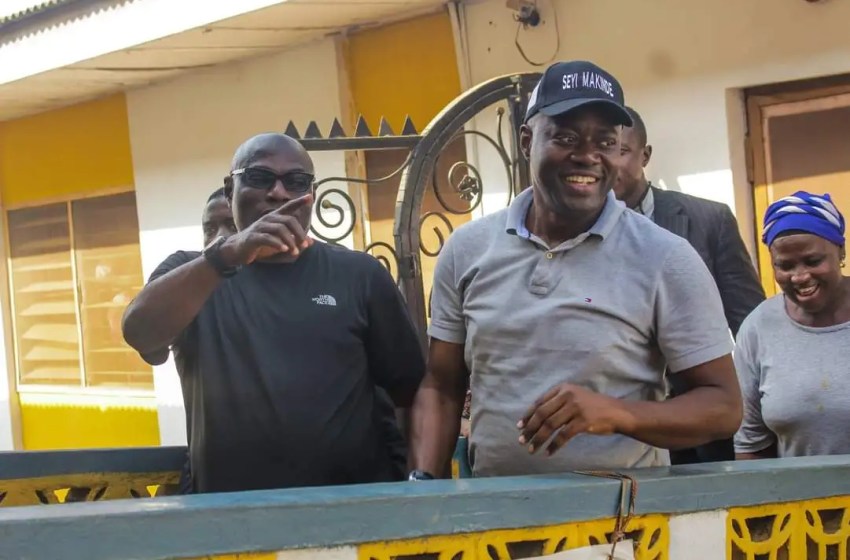
Alh. Adebisi Olopoeyan, a chieftain of the Allied Peoples Movement (APM) in Oyo State, has warned former Vice-President Atiku Abubakar against relying on Governor Seyi Makinde’s representations in the ongoing opposition coalition negotiations, insisting that the governor does not control the party’s structure in the state.
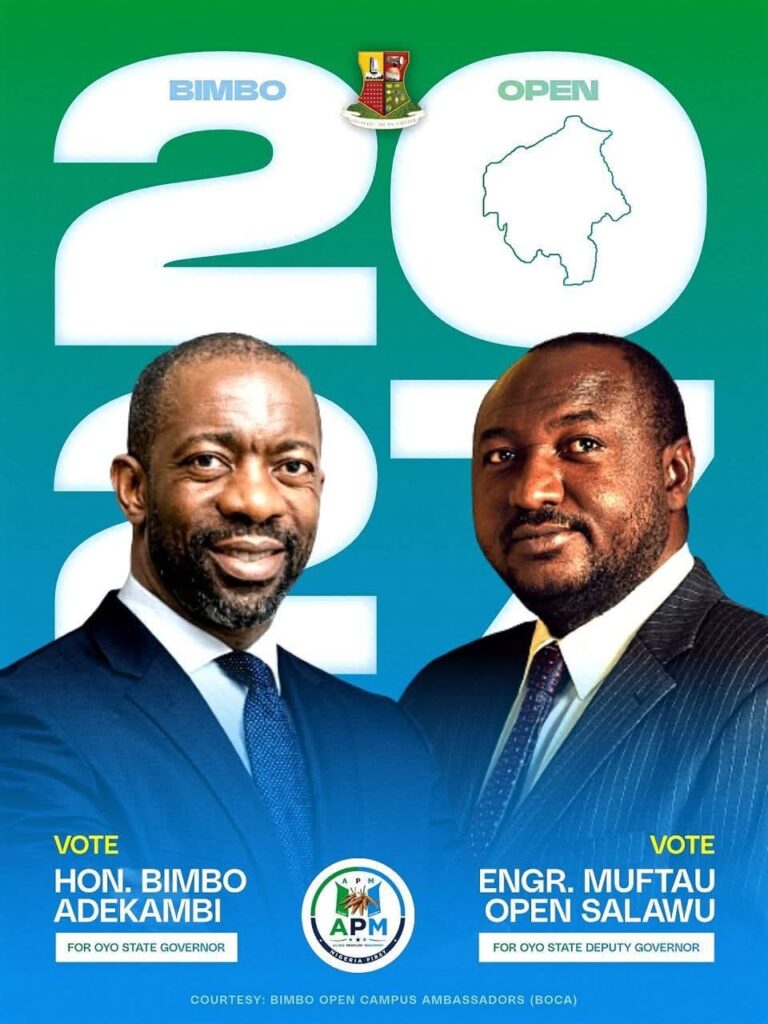

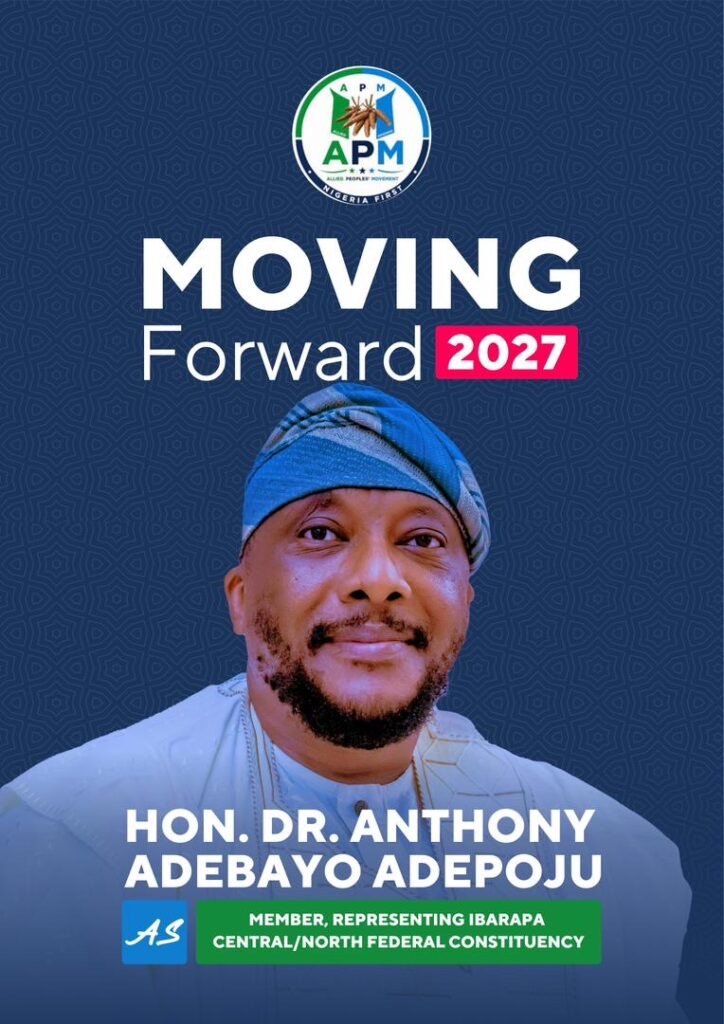
Olopoeyan described Makinde’s negotiations with Atiku as political theatre, arguing that the governor lacks the authority to negotiate on behalf of the Oyo APM structure because of the unresolved leadership crisis within the party.

Makinde had confirmed that discussions were ongoing among opposition figures, including Atiku and former Anambra State Governor Peter Obi, on a possible alliance ahead of the 2027 general elections.

The governor, who is pursuing his presidential ambition on the APM platform, disclosed during an interview with ARISE News that the opposition leaders were actively discussing possible cooperation.

But Olopoeyan, who has been at loggerheads with Makinde’s camp over the control of APM in Oyo State, dismissed the significance of the negotiations, insisting that the governor had no party structure to negotiate with Atiku.
“Oyo State APM structure is not in the hand of Seyi Makinde to negotiate with Atiku Abubakar.
He also challenged Atiku to acknowledge the pending legal disputes over the party’s leadership and structure in Oyo State, maintaining that Makinde’s political camp had not become legitimate members of APM through its alliance with the party.
“He should not shy away from the fact that we are in court. They are not even party members, they are PDP just with APM for alliance. We are the custodian of the party structure,” he added.
The latest confrontation is an extension of the protracted crisis between Olopoeyan’s faction and Makinde’s political camp over the ownership, leadership and control of APM in Oyo State.
The disagreement became particularly pronounced during preparations for the August 3, 2026 local government elections, when rival interests within the party disagreed over the candidates to be presented for the polls.
Olopoeyan’s camp maintained that candidates who emerged from its primaries were the legitimate choices of the party, while disagreements over the recognition of the candidates led to court proceedings.
The dispute also exposed a deeper struggle over the party’s grassroots structure and the sharing of elective positions between the original APM members and politicians who entered the platform through the alliance with Makinde.
Olopoeyan has consistently maintained that the party’s original grassroots structure was built by his political associates, including former NNPP members who occupied various ward and local government executive positions before the alliance with Makinde’s PDP camp.
The disagreement has also featured arguments over whether the governor’s supporters are genuine APM members or PDP politicians using the platform for electoral purposes.
In the wider opposition coalition negotiations, APM is among the political parties involved in consultations aimed at building a common front against the ruling All Progressives Congress ahead of the 2027 elections.
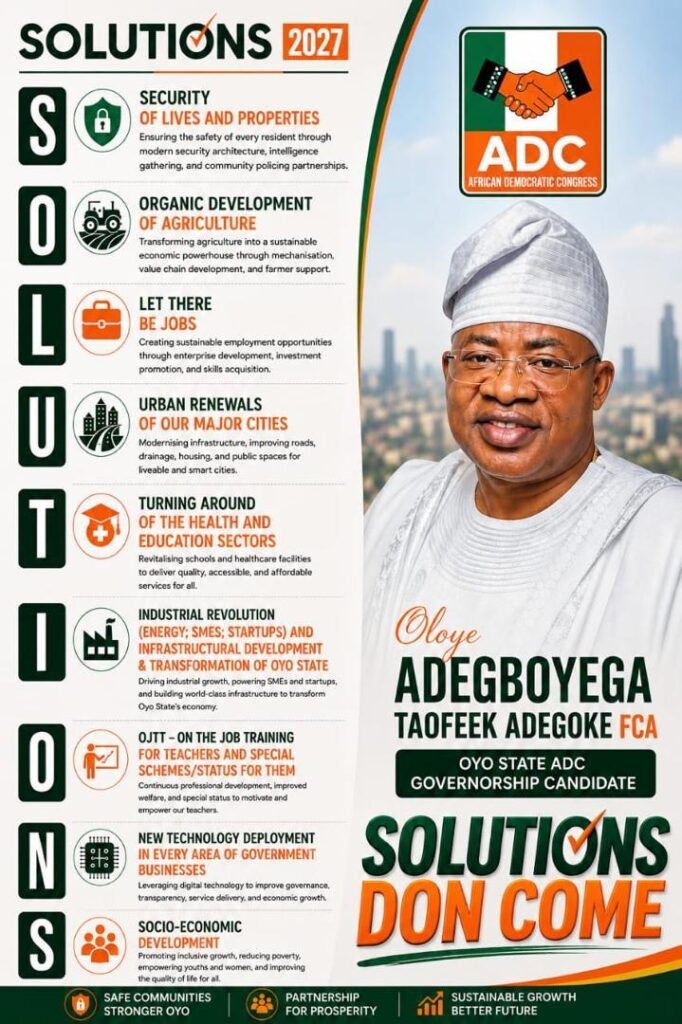
According to PREMIUM TIMES, the coalition comprises six opposition parties and factions, including the African Democratic Congress, APM, Nigeria Democratic Congress, a PDP faction, the Peoples Redemption Party and the Social Democratic Party.
The coalition has scheduled November 30 for its next summit, where participating parties are expected to sign an agreement on political cooperation.
However, competing presidential ambitions among Atiku, Makinde and other opposition figures remain a major challenge to the proposed arrangement.
Olopoeyan’s latest remarks have brought the internal APM crisis into the wider national opposition realignment, raising fresh questions about who speaks for the party and controls its structure in Oyo State as negotiations over the 2027 presidential election continue.
