


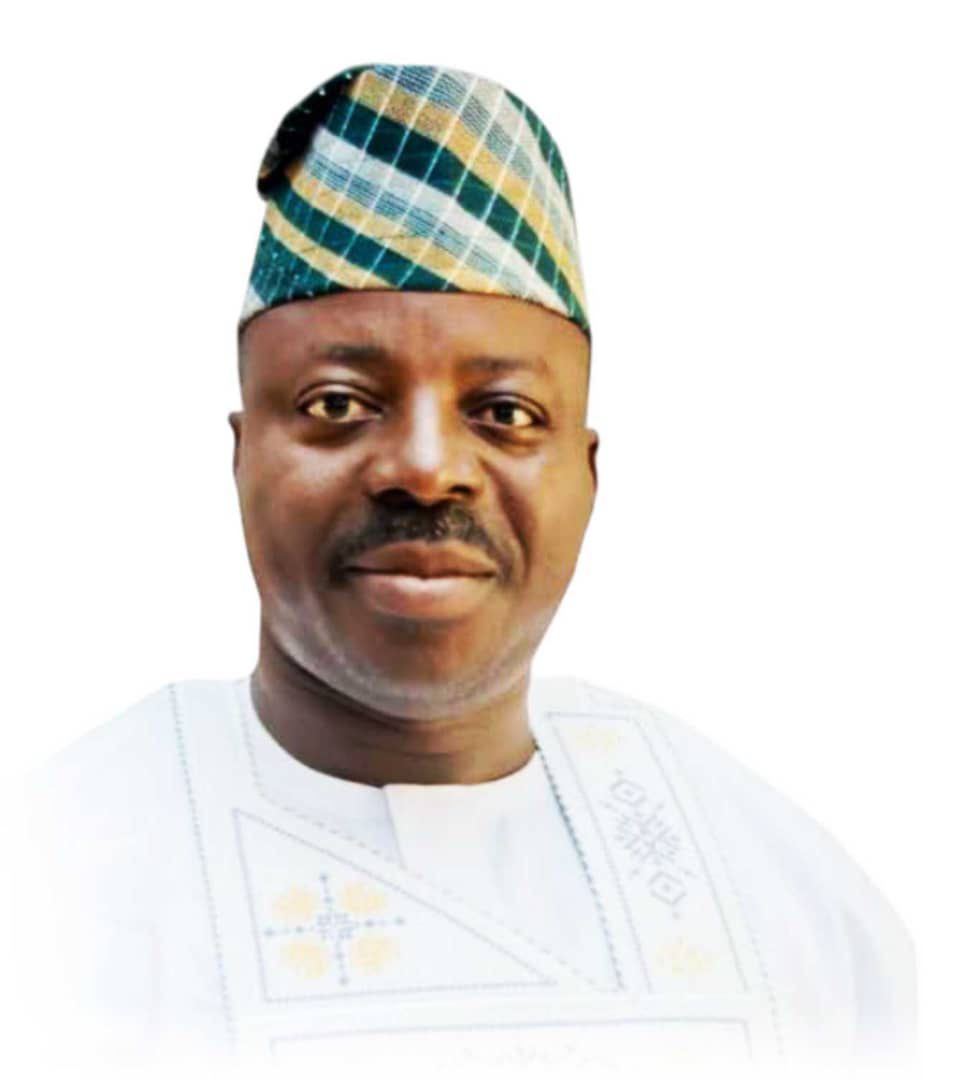
In most towns, leadership is a show. Speeches are made, promises are framed, policies are drafted, but for many residents, the impact rarely trickles down to the streets they walk every day.
In Akinyele, however, governance has taken on a new rhythm, one that you can see, feel, and live.
Under Honourable Akinwole Akinleye, leadership has stepped off the podium and into the daily lives of the people, quietly rewriting what it means to serve.
Walk through Moniya or Akuro today, and the change is unmistakable.

Roads once pocked and impassable now guide commuters with ease, while street corners hum with the confidence of traders finally able to do business without fear or delay.


Children make their way to school along pathways that no longer demand heroic effort, and neighbourhoods are marked by an air of calm that comes from knowing systems are beginning to work.
Development is no longer an abstract word on paper; it is something people experience with every step.
Security, once a source of daily worry, has become a tangible reassurance. At the Moniya Area Command Headquarters of the Nigeria Police Force, better facilities and improved operational support have strengthened the force’s ability to respond to local needs.
Patrols are more visible, response times quicker, and residents can feel it: safety is no longer just an aspiration, it’s part of their reality.
Access to basic amenities, too, is quietly transforming lives. In places where fetching water once consumed hours, motorised boreholes now provide a reliable source, easing the burden for families and caregivers.
At the Rehabilitation Centre for the Physically Challenged in Isabiyi and across Akuro, Olorisaoko, what was once a daily struggle has become simpler and more dignified.
Residents can now direct their energy toward work, learning, and community life instead of constant survival.
Education and healthcare, the twin pillars of long-term development, are seeing tangible improvements.
Classrooms are equipped to encourage curiosity and engagement, and local health centres operate with greater consistency, giving families confidence that care is available when it matters most.
These changes may seem small on paper, but for the people living them, they are life-altering.
Economic life, too, is stirring with renewed vigour. Upgraded roads smooth the movement of goods and people, markets feel alive with activity, and ambitious projects like the Dry Port signal a vision that stretches beyond local gains to regional opportunity.
For entrepreneurs and small business owners, these improvements are more than convenience, they are pathways to stability, growth, and hope.
Perhaps most remarkable is the sense of shared ownership this governance has fostered. Residents are no longer mere spectators; they are contributors, shaping priorities, voicing concerns, and watching as their input takes root in real, visible change.
This collaboration has cultivated a community invested in its own progress, ensuring that development is not fleeting, but sustained.
The results have not gone unnoticed. Seyi Makinde and other state leaders have acknowledged Akinleye’s impact, recognising that what happens in Akinyele offers lessons far beyond its borders. Leadership rooted in the daily realities of people’s lives resonates, and its influence ripples outward.
Today, Akinyele’s story is told not in speeches or ceremonies but in the lived experiences of its citizens: in safer streets, reliable water, engaged classrooms, trusted health centres, and bustling markets.
Honourable Akinwole Akinleye has made governance visible, practical, and human. Here, leadership is no longer distant; it is present, alive, and entwined with every facet of daily life.
In that presence lies a simple but powerful truth: when leadership meets the streets, change becomes inevitable, and the people feel it with every step.
