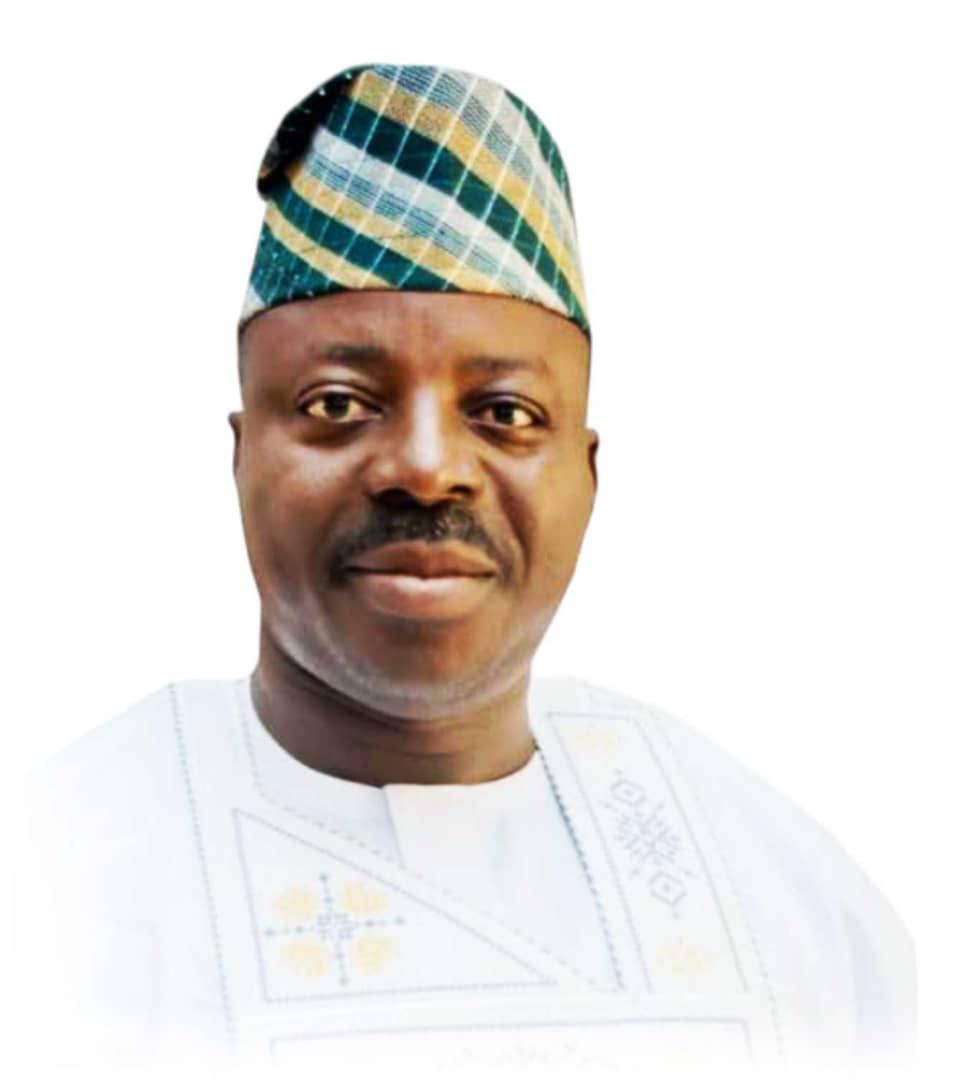
By Oyo Amebo
Akinyele’s story today is not one of grand gestures or headline-grabbing launches. It is the story of small, deliberate acts that change the texture of everyday life and in doing so, reshape how people understand leadership.
Governance here has become tactile under Honourable Akinwole Akinleye. It’s not delivered as rhetoric but as improvements that people can touch, rely on and plan around.
Where once the question was whether promises would be kept, the question now is whether a child can get to school, a market trader can restock on time, or a mother will find water at dusk. Those practical outcomes are the currency of credibility.
The visible difference begins on the roads. Years of bottlenecks and broken surfaces turned travel into a gamble. Gradually, the narrative has shifted: potholes patched, routes resurfaced, access restored.
Those who travel into town no longer negotiate breakdowns or missed appointments; they rediscover predictability. When transport works, time is reclaimed, for work, family and leisure and the local economy starts to pulse with renewed confidence.
Security, too, has acquired a new commonplace quality. Safety used to be invoked in speeches; it is now demonstrable in regular patrols, swift responses and better-equipped local stations.
The presence of operational policing at the Moniya Area Command changes the atmosphere, less anxiety, more routine.
People resume public life with fewer second thoughts, and community activity becomes a little less circumspect.
Then there is water the simplest test of whether a system serves its people. Motorised boreholes installed where need is greatest have shifted daily rhythms.
Time once spent in queues or futile searches returns to households; chores become predictable, businesses reliable and children less frequently absent from school. That steady flow of water is not dramatic, but it is transformational in its consequences.
Education and health services show the same pattern: modest investments, better-managed facilities, fewer interruptions.
A classroom that is functional invites learning; a health clinic that offers timely care prevents crisis. These improvements compound, quietly but inexorably, into higher attendance, steadier livelihoods and a stronger sense that institutions exist to serve.
Economic life responds to these changes with the economy’s characteristic pragmatism. Improved roads and reliable services reduce friction for traders and transporters; markets become busier because supply chains are less fragile.
Initiatives with longer reach, such as the planned Dry Port, signal that local enterprise is being plugged into wider opportunities, not overnight, but progressively.
Perhaps the most consequential change is relational: the way leaders and citizens interact. Development here has shifted from a top-down imposition to a process that solicits participation and reflects local priorities.
Meetings, feedback and visible responsiveness mean that decisions feel less imposed and more owned.
That matters: when people see themselves in the choices that shape their neighbourhoods, accountability strengthens and implementation follows.
This pragmatic approach has attracted attention beyond municipal boundaries. Observers at state level, including Governor Seyi Makinde, have noted what is unfolding not because it is loud but because it is effective.
The lesson is simple: governance that concentrates on removing everyday frictions ends up delivering dignity, stability and opportunity.
So what does effective leadership look like in Akinyele? It is not a performance. It is a succession of dependable acts that make ordinary life easier, roads that allow timely travel, water that arrives when needed, security that reassures rather than alarms, services that work without fanfare.
Over time, these steady improvements accumulate into real change: communities more connected to opportunity, institutions more trusted and daily life less burdened by avoidable hardship.
In short, the transformation in Akinyele is less a march than a measured walk, not dramatic, but durable. It is leadership that chooses to be useful, repeatedly, until usefulness becomes the new normal.