


“Omituntun 3.0” is being marketed as the next chapter of stability in Oyo State, but for many residents, it evokes less a vision of progress and more an attempt to keep one hand firmly on the state’s political steering wheel—even after the driver’s term is constitutionally up. Continuity sounds appealing, but it is not automatically a virtue. It can underpin progress, but it can also become a mask for prolonged dominance, particularly in contexts where institutions are weak and power is highly personalized. The whispers now echoing in homes, markets, union halls, party wards, and professional circles ask a simple question: is “Omituntun 3.0” truly a plan for Oyo’s future, or just a project to keep one man’s influence alive? When legacies depend wholly on a single individual, what’s been built is not an institution—it’s a throne with freshly laundered curtains. Oyo State belongs to its people. Governance, at its best, is stewardship—not private possession.
Real continuity means building institutions—systems and policies that are measurable, repeatable, and protected by law so they outlive any individual. When “continuity” is defined by loyalty to a political network, it becomes indistinguishable from control. After two terms, any administration should be able to point to systems that run on clear rules—not on private instructions or “signals” from outside government. The hard question is this: if everything still hinges on one person’s blessing, does Oyo have a government—or merely a gatekeeper? The debate Oyo people must have is urgent: what institutions have genuinely become stronger and more independent since 2019—civil service, procurement, audits, legislature, local governments, judiciary, or even party structures?
Early on, this administration won support by rejecting godfatherism and promising a freer political space. Today, however, the push for “my successor”—or even the perception of such a push—looks uncomfortably like the very structure previously condemned: one powerful figure hand-picking the next leader, all “for the sake of continuity.” This contradiction is why critics now call out “hypocrisy”—not as an insult, but as a diagnosis of inconsistency between message and method. The crucial test is whether it is “godfatherism” only when someone else does it, but mere “strategy” when it comes from an incumbent with high approval. Oyo people deserve institutions that are immune to the whims of any one person, no matter how popular.

People rarely resist continuity when decision-making is transparent and participatory. But fear grows when governance is centralized—when power flows from personal discretion instead of institutional checks. In such climates, consultation can become mere theatre: stakeholders are seen, photos are taken, but the real decisions are already made. Loyalty becomes the currency; it’s often rewarded more than competence or independent thinking. The danger is subtle but real: a state can keep building roads and still slide into democratic decline if its institutions cannot say “no” to the powerful. The question for Oyo: how many major state decisions in the last eight years have truly come from robust legislative scrutiny, open procurement, or independent evaluation—not just executive preference?


Nigeria’s constitution is clear: governors can only serve two terms. Yet “third term politics” often takes softer forms—ruling by proxy, installing successors, and maintaining grip on appointments, contracts, and party machinery. Citizens worry not just about a literal third term, but about the extension of one person’s influence far beyond their official tenure. This is the anxiety triggered by “Omituntun 3.0”—it sounds less like a policy blueprint, more like a brand extension. The real question is whether Oyo can pursue meaningful continuity without reducing the future to a product owned by a single political figure.
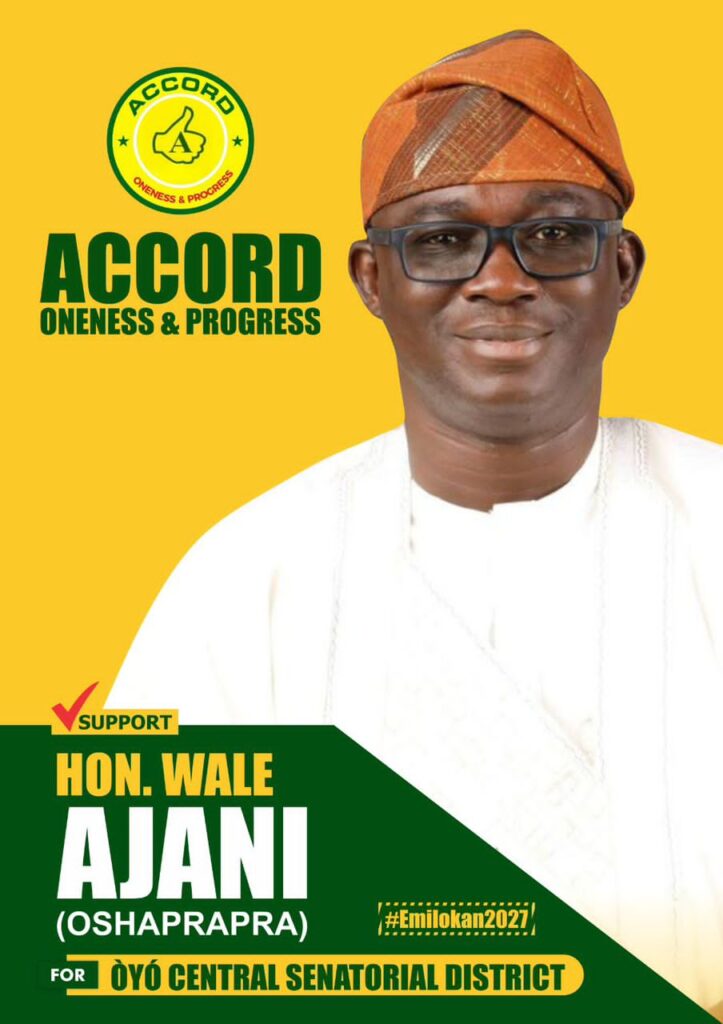
Evidence and accountability matter more than ever. Are annual budgets honestly executed, with releases matching allocations and clear sectoral priorities, or do results depend on the leader’s personal discretion? Is “continuity” being used to shield fiscal decisions from public scrutiny? What do the debt numbers tell us? Can the bureaucracy function without political micromanagement, or does every decision still require a private nod? Are local governments truly empowered, or just present in name, waiting for signals from the top? Are elections genuinely competitive, or is the field narrowing around incumbency and its advantages? These are not rhetorical questions—they demand clear, web-verifiable answers. Data, not slogans, should drive our conclusions.
At the heart of this debate is a set of vital questions for Oyo State: Who really chooses the next governor—party members, delegates, or one office-holder’s inner circle? Can the Oyo House of Assembly openly reject an executive proposal without fear? Where does party strategy end, and state capture begin? Can good roads justify a personalized hold on power? If citizens accept “continuity by installation” today, what stops a worse leader tomorrow from setting the same precedent? Is godfatherism only wrong when it has another name?
Oyo’s future cannot—and should not—be numbered like a private product line. If the reforms and development are real, they must be strong enough to survive disagreement, to outlast succession, and to thrive without the presence of one man. Oyo State deserves institutions, not instructions; continuity of systems, not continuity of signals. The final question is not “What has Makinde built?”, but “What can Oyo sustain without Makinde?” That is the difference between stewardship and ownership—and the difference between true progress and mere political branding. For this conversation to move beyond rhetoric, citizens and media must demand facts—budget documents, audit reports, procurement records, and competitive election data—not just slogans. The time has come for Oyo people to insist on continuity of institutions, not continuity of control. Only then can governance truly serve the public, not just the powerful.
Wale Ajani
08055660077
