Former Commissioner of Police in Lagos State, Fatai Owoseni, has expressed concern over the growing influence of poverty on Nigeria’s democratic process, warning that economic hardship has been turned into a tool for political manipulation and voter exploitation.
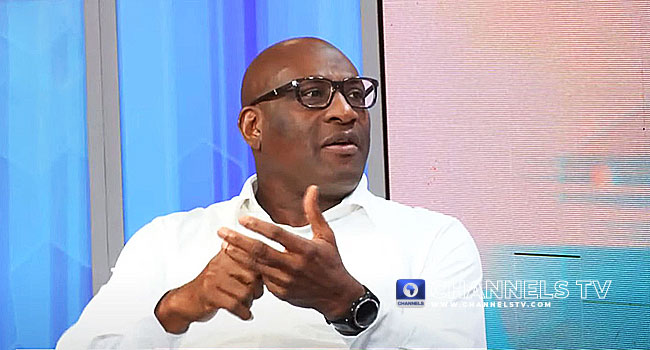
Speaking on Inside Sources with Laolu Akande on Channels Television, Owoseni lamented what he described as the erosion of the values that once defined communities, particularly in the South-West, where integrity, accountability and communal sanctions against wrongdoing were deeply entrenched.
According to him, poverty has increasingly become a powerful instrument in the hands of politicians who exploit the vulnerability of citizens during election periods through the distribution of food items and other material inducements in exchange for votes.
“Poverty has been weaponised, but we weren’t like this,” Owoseni said.
“Especially in the South-West. We have always risen to occasions. There were days, even immediately after colonial rule and before then, when if you did anything wrong, you would be ostracised by society.”
The former police chief questioned how society had drifted so far from those values, arguing that the culture of accountability that once compelled leaders and citizens to act responsibly has gradually weakened.
Owoseni noted that the Yoruba people have historically been known for speaking truth to power and demanding accountability from their leaders. However, he expressed concern that economic hardship has diminished the ability of many citizens to hold public officials accountable.
“What I know the Yoruba race for is standing for the truth,” he said. “Unfortunately, we now have a situation where people will go and distribute Semovita to get votes. How many days will you eat the Semovita?”
His comments come amid increasing concerns about vote-buying and voter inducement during elections across Nigeria. Political observers have repeatedly warned that widespread poverty and unemployment have created conditions that make voters susceptible to short-term incentives, often at the expense of long-term governance outcomes.
Owoseni also raised concerns about the growing commercialization of politics, warning that candidates who spend excessively to secure political offices are often motivated by the desire to recover their investments once elected.
He argued that when individuals dispose of valuable assets to finance election campaigns, the tendency is for public office to become a means of recouping losses rather than serving the people.
Credit: Daily Trust