


By Segun Kehinde


Leadership, in its truest sense, is the ability to influence direction, shape values and inspire action beyond personal interest. It is not conferred by title, wealth or position, but earned through character, consistency and service.


At its highest level, leadership is less about authority and more about responsibility, the responsibility to guide, to protect, to uplift and to leave people better than they were found.
A good leader is therefore recognised not by the volume of their voice, but by the weight of their impact.


Such individuals possess clarity of vision, emotional intelligence, discipline and empathy. They listen before they act, serve before they demand loyalty and understand that power is most effective when it is exercised with restraint. True leadership creates trust, builds capacity and encourages growth, not fear or dependence.


Yet in contemporary society, leadership is increasingly misunderstood. Influence is often mistaken for visibility, and command is confused with control. Many modern leaders are celebrated for dominance, accumulation and spectacle, rather than for contribution or conscience.


Success is frequently measured by personal gain, public recognition and the ability to issue directives, while the quieter work of building people and communities is overlooked.




This shift has produced a leadership culture that is loud but shallow, forceful but fragile. In politics, business and even social spaces, authority is too often expressed through coercion rather than care, through hierarchy rather than humanity. As a result, trust erodes, inequality widens and leadership becomes something to endure rather than something to believe in.


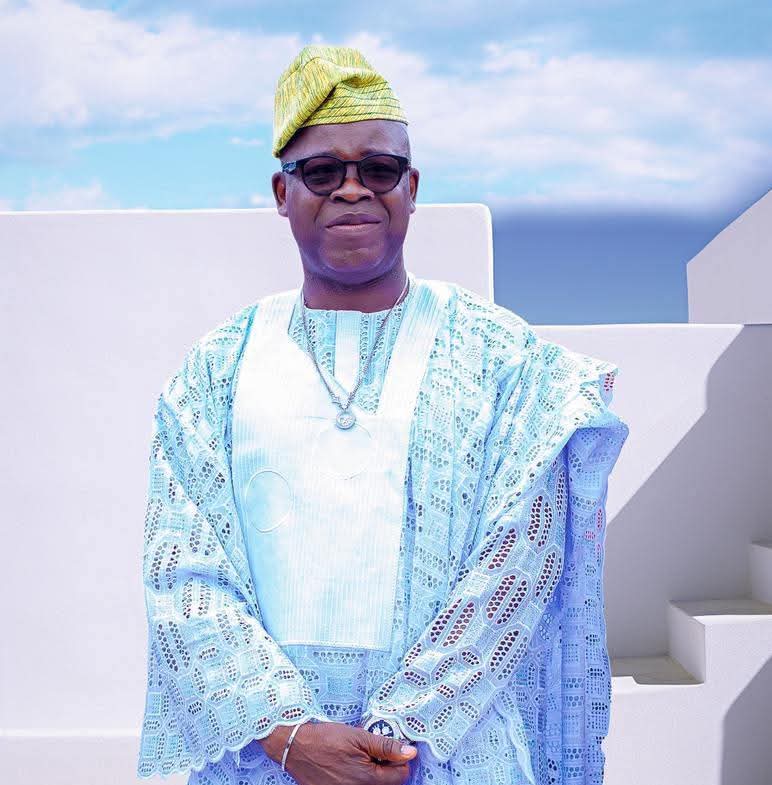
It is against this backdrop that the leadership philosophy of Jubril Dotun Sanusi emerges, not as an announcement, but as a contrast. His influence does not rest on command or intimidation, but on contribution. He leads not by positioning himself above others, but by investing in those around him. Where many equate leadership with control, Sanusi defines it through service.
His impact is woven into the fabric of everyday life across communities. In education, his interventions have revived opportunities for students from disadvantaged backgrounds, turning abandoned aspirations into active pursuits.
By supporting learning through scholarships, infrastructure and access to resources, he has demonstrated an understanding that education is not merely a sector, but a foundation for societal progress.
In healthcare, his leadership reveals itself in moments of urgency and vulnerability. Families overwhelmed by medical challenges have found relief through his timely support, delivered without spectacle or self-promotion.
These acts transform leadership from an abstract concept into a lived experience, one where authority is expressed as protection and compassion.
His commitment to youth empowerment and economic inclusion further amplifies this philosophy. In a society where unemployment often breeds frustration and hopelessness, Sanusi has prioritised opportunity over charity.
Through skills development, employment pathways and enterprise support linked to his business ecosystem, particularly Ilaji Hotels and Resorts, young people have been equipped to contribute meaningfully to the economy. This is leadership that builds producers, not dependants.
What makes his approach especially compelling is its intentional structure. His generosity is not impulsive or performative; it is strategic, disciplined and rooted in a deep awareness of social realities. He operates from the conviction that wealth is not an entitlement, but a trust, one that must translate into shared advancement.
Even within his commercial ventures, this belief remains consistent. Profit is never divorced from purpose, and growth is aligned with human impact. His businesses illustrate that success and social responsibility are not opposing goals, but mutually reinforcing ones.
In this model, leadership becomes a bridge between enterprise and empathy. Equally significant is the dignity with which his interventions are carried out. Beneficiaries are treated as partners in progress, not as symbols of need.
By preserving self-worth and avoiding spectacle, he challenges the culture of performative leadership and charity, offering instead a model grounded in respect and empowerment.
In a time when leadership is often questioned and trust is scarce, Jubril Dotun Sanusi stands as a reminder that influence can still be ethical, effective and deeply human. His leadership does not rely on command; it generates commitment. It does not seek applause; it produces outcomes. It does not dominate; it develops.
And so, in a world that increasingly rewards noise over nuance and power over purpose, what kind of leadership are we prepared to endorse, the kind that commands obedience, or the kind that, like Jubril Dotun Sanusi’s, earns loyalty by contributing meaningfully to the lives of others?
Segun Kehinde writes from Ibadan
