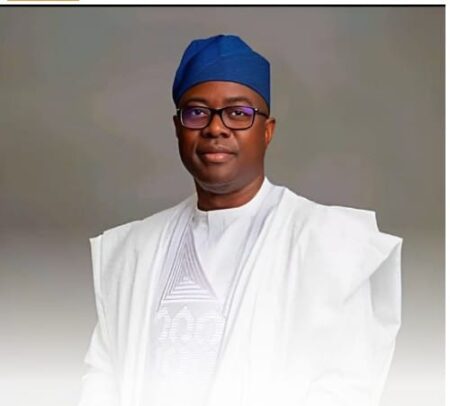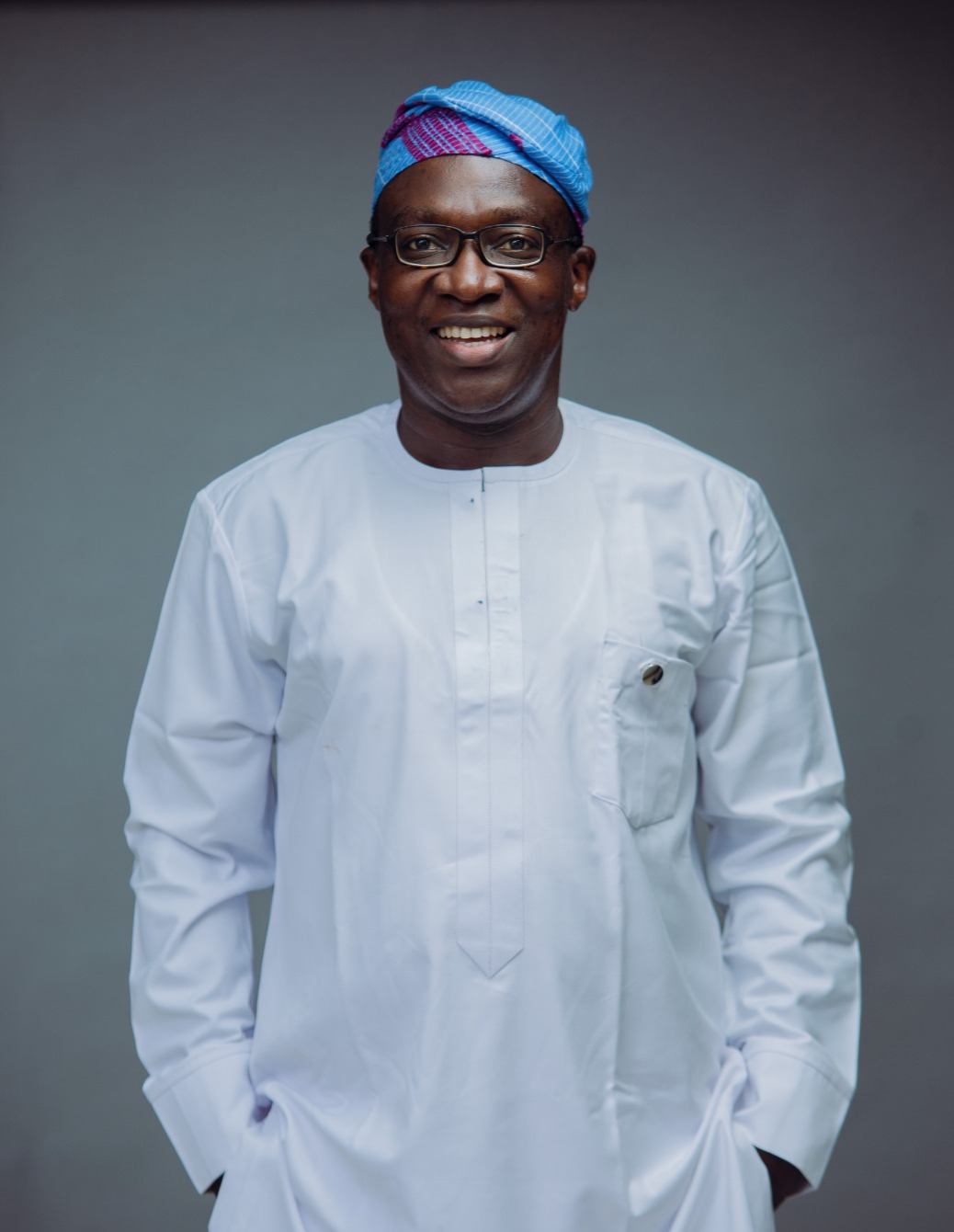
The Executive Adviser on Agribusiness and Director-General of the Oyo State Agribusiness Development Agency (OYSADA), Dr. Debo Akande, has been appointed to the Board of the African Agricultural Leadership Institute (AALI), headquartered in the Democratic Republic of Congo.
Dr. Akande described the appointment as a major milestone in his career, noting that it presented an opportunity to contribute more deeply to agricultural transformation, youth empowerment, and leadership development across Africa.
AALI is a pan-African non-profit organisation dedicated to advancing agricultural transformation, agribusiness development, youth inclusion, and leadership capacity building across the continent.
The appointment has continued to generate commendations from stakeholders within and outside Nigeria, who described it as evidence of the growing recognition of African professionals contributing to agricultural innovation, policy development, and cross-border collaboration.
Speaking on the development, Dr. Akande said he was honoured to be selected, adding that the institute’s vision aligned closely with his long-standing commitment to sustainable agribusiness development and food security in Africa.
He explained that the new role would allow him to collaborate with agricultural experts, development partners, and policymakers across the continent to strengthen innovation systems, improve value chains, and expand youth participation in agribusiness.
Dr. Akande also expressed deep appreciation to the International Institute of Tropical Agriculture (IITA) for its role in building his professional foundation and strengthening his technical capacity in agricultural development.
He said: “I sincerely appreciate the role of the International Institute of Tropical Agriculture in building me professionally and technically.“
“The Institute played a key role in shaping my knowledge, strengthening my capacity in agricultural research and development, and exposing me to global best practices in agribusiness and innovation.“
“The experience I gained there has been fundamental to my journey, and I remain deeply grateful for the mentorship, learning environment, and opportunities it provided,” he said.
He further noted that his years of experience in agribusiness development have prepared him for broader continental responsibilities, especially in advancing agricultural industrialisation and policy innovation across Africa.
Meanwhile, stakeholders in the agricultural and development sector have also reacted to the appointment, describing Dr. Akande as a rare technocrat whose expertise, they believed, deserved even stronger recognition within his home state.
One stakeholder said his capabilities were evident enough that he should have been considered for even higher leadership roles.
“Dr. Debo Akande is one of those professionals whose depth of experience in agribusiness and policy design is often underestimated at the local political level.“
“If truly his contributions were fully maximised within the governance structure of Oyo State, many believed he would naturally be a strong contender for even higher leadership responsibilities, including the governorship, given his exposure and results-driven track record.“
“It almost feels like the international community and institutions are beginning to recognise and draw away talents that should ideally be fully harnessed at home for greater impact,” the stakeholder said.
Another development expert added that while his rising continental profile is commendable, it also reflected a missed opportunity for stronger local utilisation of his expertise.
“His growing continental recognition is both a pride and a concern. While it is commendable that global and pan-African institutions like the International Institute of Tropical Agriculture continue to benefit from his expertise, there is also a sentiment that Nigeria and Oyo State, in particular, should be retaining and maximising such human capital more strategically.“
“People like Dr. Akande represent the kind of leadership capacity that could transform subnational governance if fully elevated and entrusted with broader executive responsibility,” he said.
However, stakeholders also described the development as well deserved, noting his contributions to agribusiness reforms, investment facilitation, and agro-industrial development initiatives across the region.